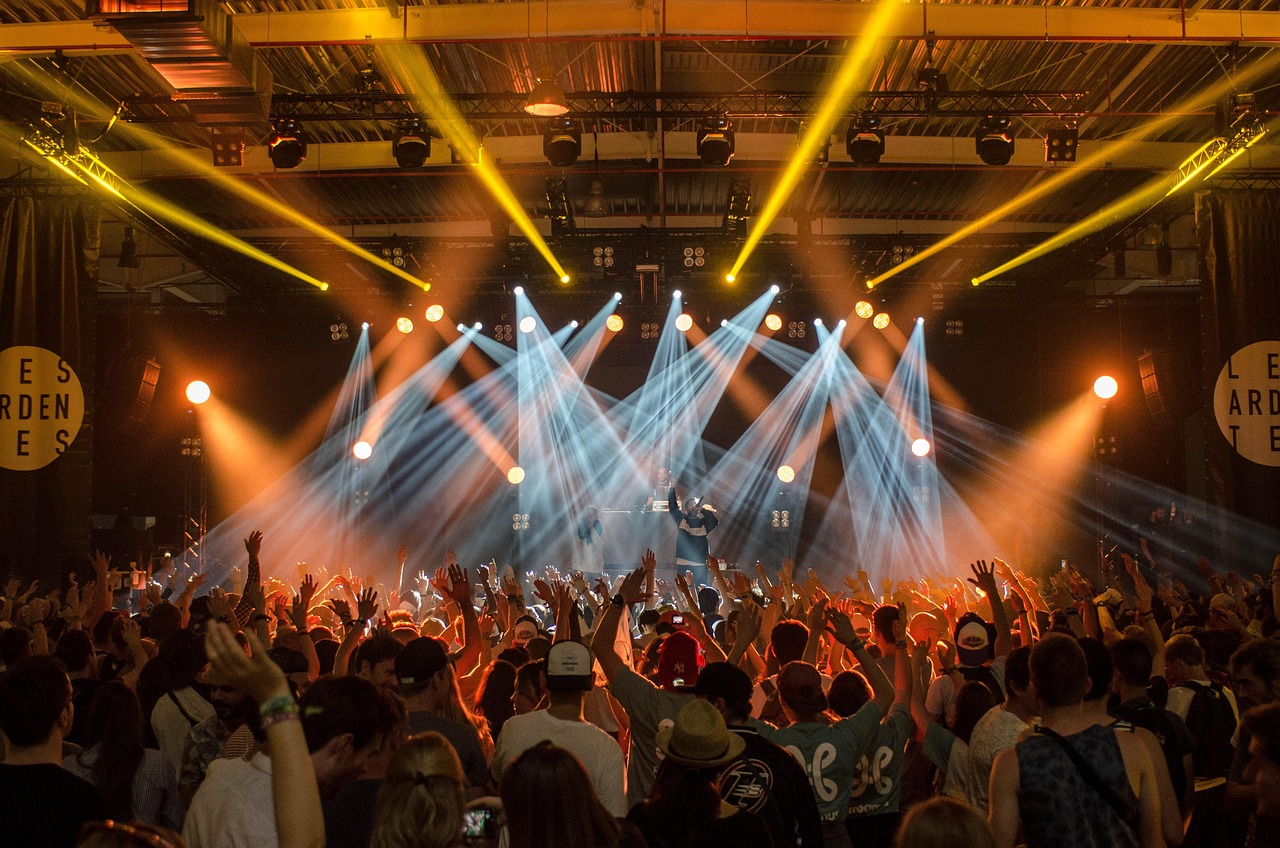
The numbers are staggering. Global live music revenue is projected to exceed $35 billion in 2026, with arena and stadium tours accounting for more than 60% of total ticket sales. But behind the headline figures lies a more complicated story — one of widening inequality, rising costs, and a fundamental reshaping of how live music works as a business.
Why Are Concert Ticket Prices Rising So Dramatically?
The average arena concert ticket now costs 42% more than it did in 2023. Dynamic pricing algorithms, pioneered by airlines and now standard across the live entertainment industry, adjust prices in real time based on demand. A floor seat that costs £85 at announcement can climb to £300 or more within hours.
VIP packages have become the industry's fastest-growing revenue stream. Meet-and-greet experiences, premium viewing areas, and exclusive merchandise bundles now routinely command four-figure prices. For top-tier artists, VIP revenue can exceed standard ticket sales.
How Are Smaller Venues Responding?
The ripple effects are being felt most acutely at the grassroots level. Independent venues — the clubs, bars, and community spaces that have historically served as the proving ground for emerging talent — report a 15% decline in weeknight attendance.
The maths is simple: a family that spends £600 on an arena show has less disposable income for local gigs. This creates a dangerous feedback loop where the venues that develop tomorrow's headliners can no longer sustain themselves on today's ticket sales.
What Does This Mean for Jazz and Independent Music?
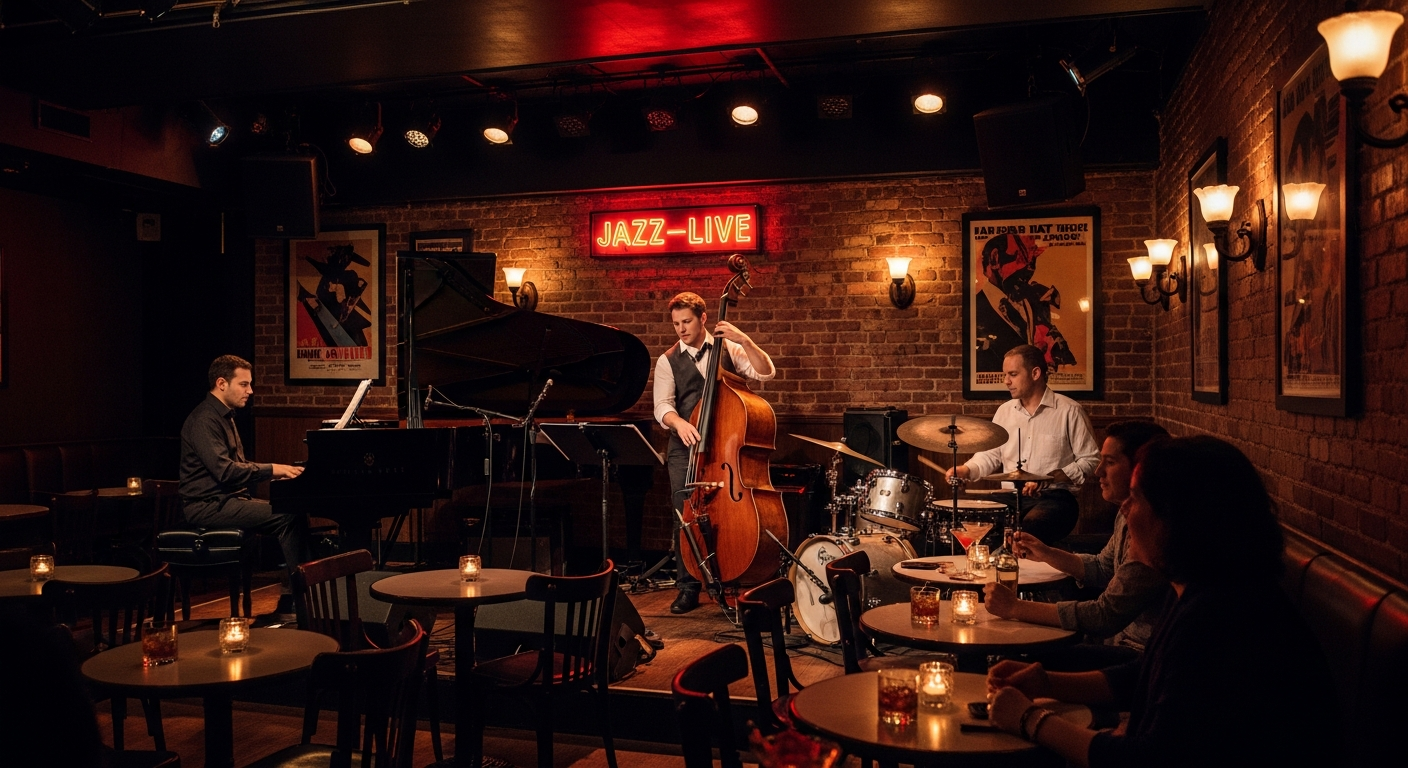
The jazz world has been watching these trends with a mixture of concern and quiet confidence. While jazz clubs face the same economic headwinds as other independent venues, many have found that their core audiences value something arenas fundamentally cannot provide: intimacy.
"You can't have a conversation with the music in an arena," observed one veteran London jazz promoter. "When you're sitting three metres from a trio working through a Monk tune, that's an irreplaceable experience. Our audience knows that."
The challenge for the music industry in 2026 is not generating revenue — it is ensuring that revenue flows to every level of the ecosystem, from arenas to basement jazz clubs.
As the live music economy continues to bifurcate, the venues and artists that thrive will be those that offer experiences no algorithm can price and no arena can replicate.