Glastonbury Festival has always prided itself on musical breadth, but the 2026 lineup takes that ambition to new heights. Spanning over 30 distinct genres across its legendary stages, this year's programme reads less like a festival bill and more like a comprehensive survey of where music stands in the mid-2020s.
What Makes the 2026 Lineup So Diverse?
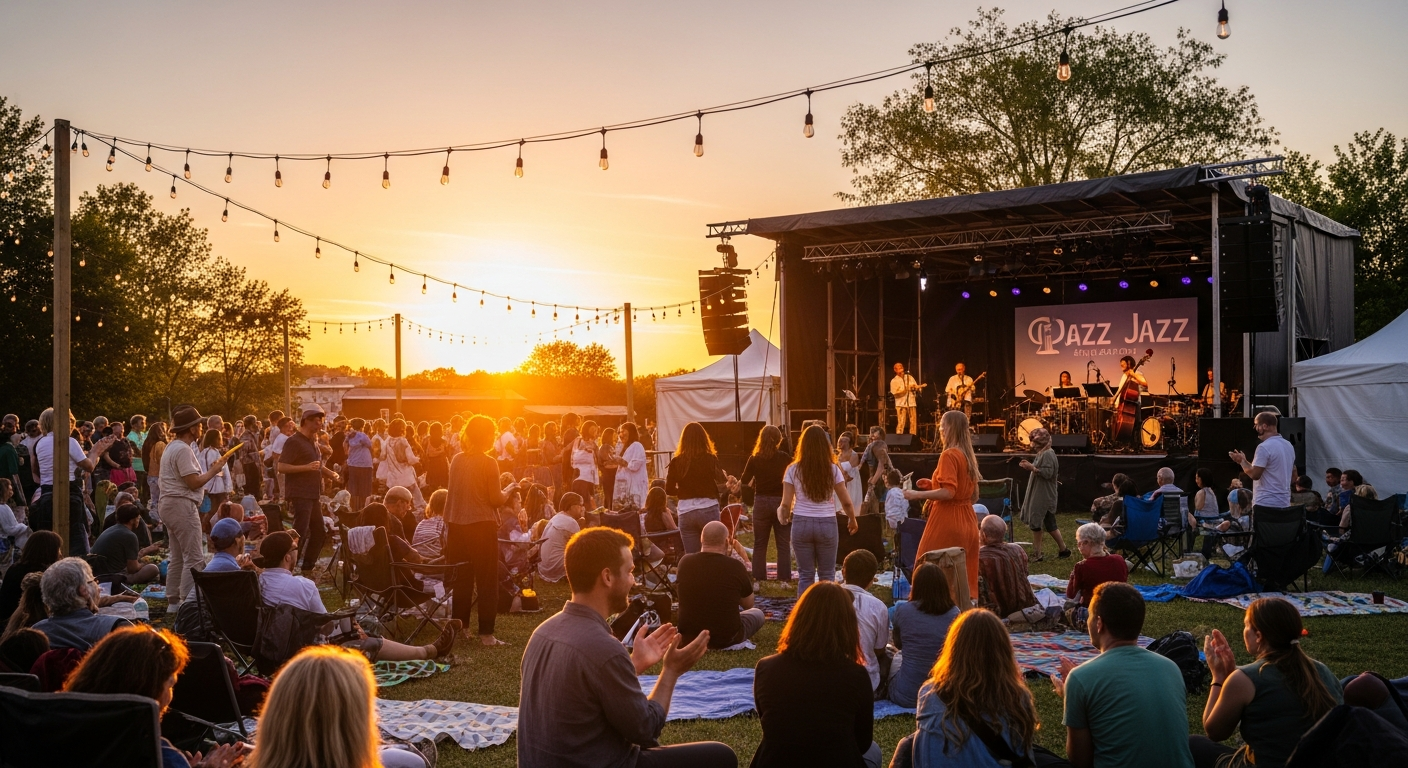
The headline slots tell only part of the story. While the Pyramid Stage headliners represent the expected mix of commercial heavyweights, it is the undercard that reveals the festival's true ambitions. A jazz big band will play a Pyramid Stage afternoon slot for the first time since 2014, while the Other Stage has dedicated full evenings to Afrobeats, Latin music, and ambient electronic acts.
Festival organiser Emily Eavis described the programming philosophy as "reflecting what people actually listen to, not what the industry thinks they should listen to." With playlist culture eroding genre tribalism, audiences are more adventurous than ever.
How Has Jazz Programming Expanded?
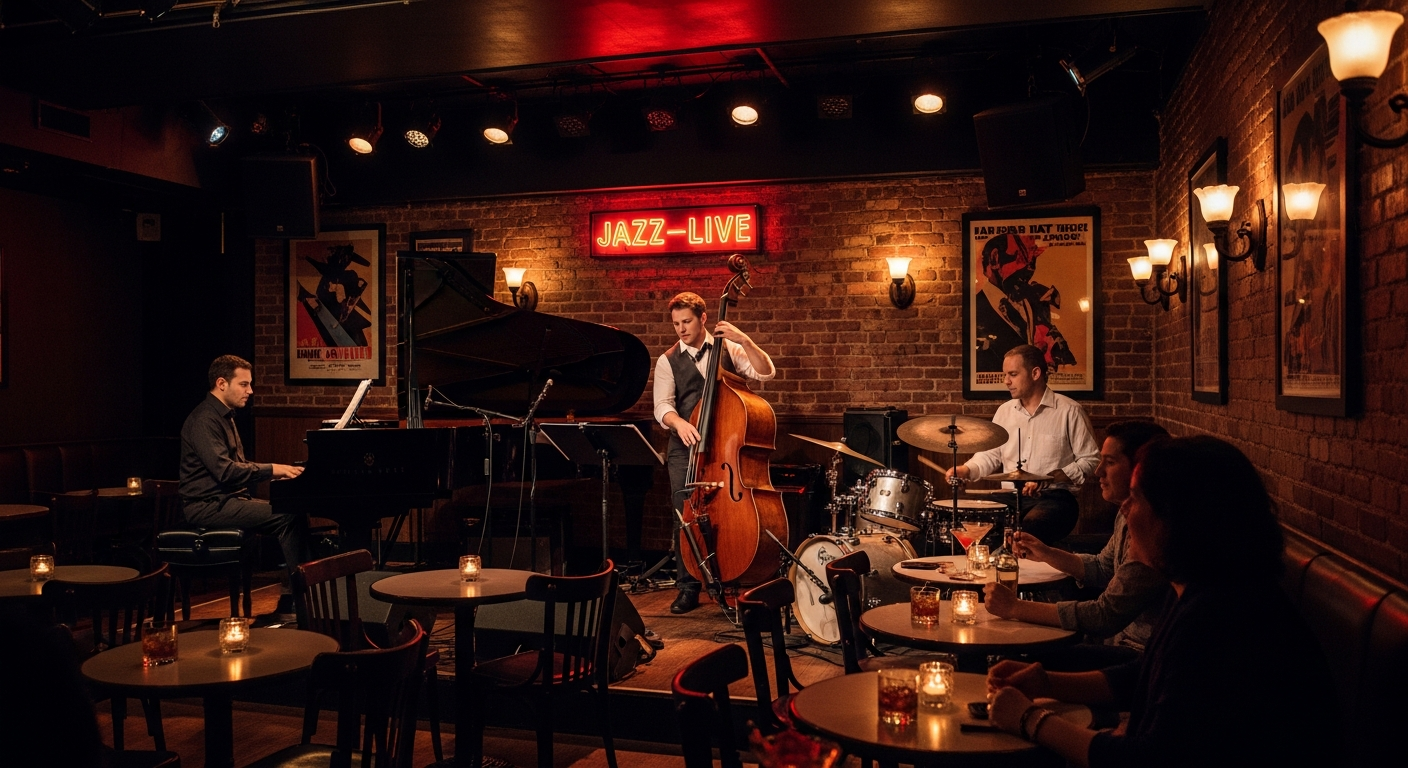
The West Holts stage, long Glastonbury's home for jazz and world music, has expanded from its traditional two-day jazz weekend to three full days of improvised music programming. The stage will host over 25 jazz acts ranging from traditional quartets to electronic jazz collectives.
"We could have filled a week," said the stage's curator. "The quality and diversity of jazz being made in the UK right now is extraordinary. We had to turn away acts that would headline any jazz festival in Europe."
What Does This Tell Us About Music in 2026?
The lineup's eclecticism reflects a broader truth about the state of music: genre walls have become guidelines rather than borders. Artists routinely move between styles, and audiences follow them. The old model of marketing music by genre is giving way to a more fluid, personality-driven approach.
For jazz, this shift is unambiguously positive. The genre's inclusion in mainstream festival programming exposes it to audiences who might never walk into a jazz club. Many of Britain's current jazz stars — including several Nucleus-influenced fusion players — trace their own love of the genre to festival discoveries.
Glastonbury has always been about discovery. In 2026, that means discovering that the boundaries between jazz, folk, electronic, and pop are more porous than anyone imagined.
With 2.4 million registrations for 210,000 tickets, the demand suggests audiences are hungry for exactly this kind of adventurous programming. Glastonbury 2026 may well set the template for how major festivals approach genre diversity for years to come.