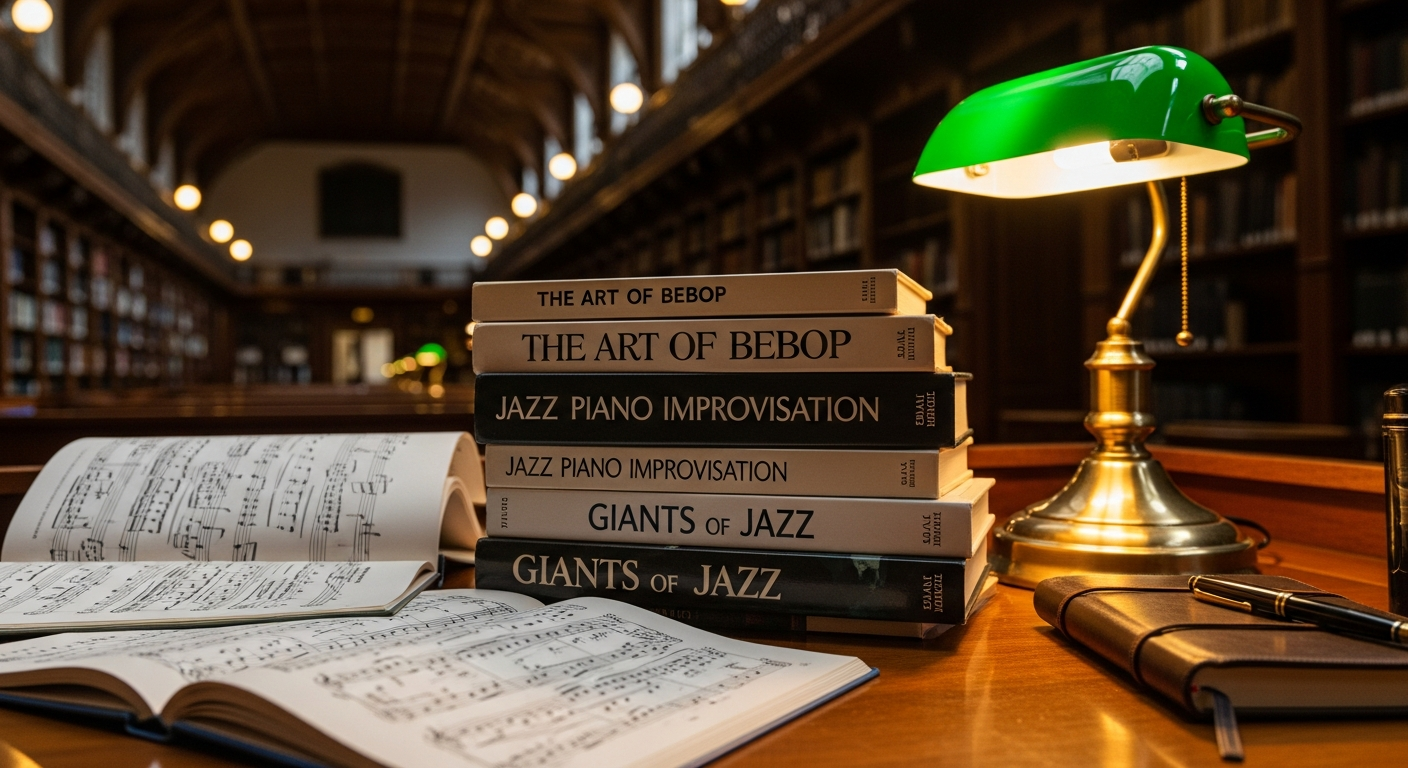
Jazz has always inspired great writing. From the pioneering criticism of Whitney Balliett to the magisterial histories of Ted Gioia, the literature of jazz is almost as rich as the music itself. The last five years have produced a remarkable crop of books that advance our understanding of the music, its makers, and its place in the world.
What Are the Best Recent Jazz Books?
Jazz publishing has experienced a genuine boom since 2020. More books about the music have been published in the last five years than in the previous fifteen. The quality has kept pace with the quantity, with several titles that will likely become permanent additions to the jazz library.
The most significant development is a broadening of perspective. Where jazz writing was once dominated by biographies of canonical male American artists, recent publications have explored the global dimensions of the music, the contributions of women, the business structures that shaped careers, and the political contexts that gave the music its urgency.
What Makes a Great Jazz Biography?
The best recent biographies share several qualities. They draw on previously unavailable archival materials — personal letters, session tapes, business records, and interviews conducted decades ago but only now published. They contextualise individual lives within broader social and cultural movements. And they take the music itself seriously, including analysis that illuminates rather than mystifies.
Several biographies published since 2020 have fundamentally changed our understanding of their subjects. New archival discoveries have complicated familiar narratives, revealing artists who were more complex, more conflicted, and more human than legend had allowed.
What About Jazz Cultural Histories?
The cultural histories published in recent years have been equally revelatory. These books place jazz within the broader narrative of 20th and 21st century history, exploring its connections to civil rights, immigration, technological change, and globalisation.
The best jazz writing does what the best jazz does — it takes something familiar and reveals it anew, finding complexity where we assumed simplicity, and beauty where we had stopped looking.
For the serious jazz listener, these books offer something that no amount of streaming or live attendance can provide: context, depth, and the kind of understanding that only comes from sustained, thoughtful engagement with the music's history and meaning.