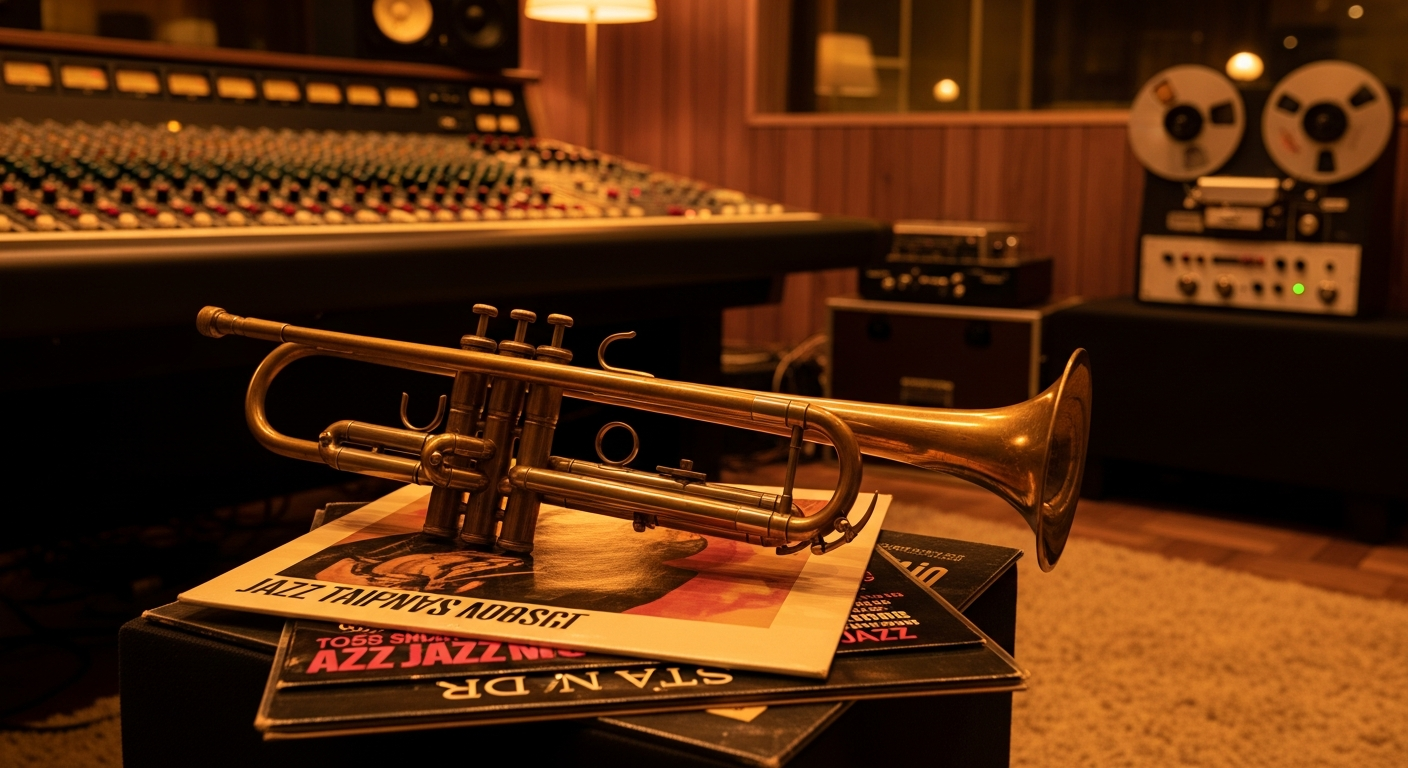
Miles Dewey Davis III died in 1991, but his influence has never been more alive. In practice rooms from New York to Tokyo, in recording studios from London to Lagos, his shadow falls across every trumpet player who picks up the horn.
Why Is Miles Davis So Influential?
A recent survey of professional jazz trumpet players found that 73% named Davis as their primary influence — a figure so dominant that it effectively defines the instrument's contemporary identity. But the nature of that influence is more nuanced and varied than a simple statistic suggests.
Davis's influence operates on multiple levels. Most obviously, there is the sound itself — that warm, breathy, infinitely expressive tone that seems to speak directly to the listener's emotional centre. But beyond the sound, there is the concept: the idea that what you choose not to play is as important as what you play, that space and silence are musical elements as powerful as notes and rhythm.
Which Era of Miles Davis Matters Most?
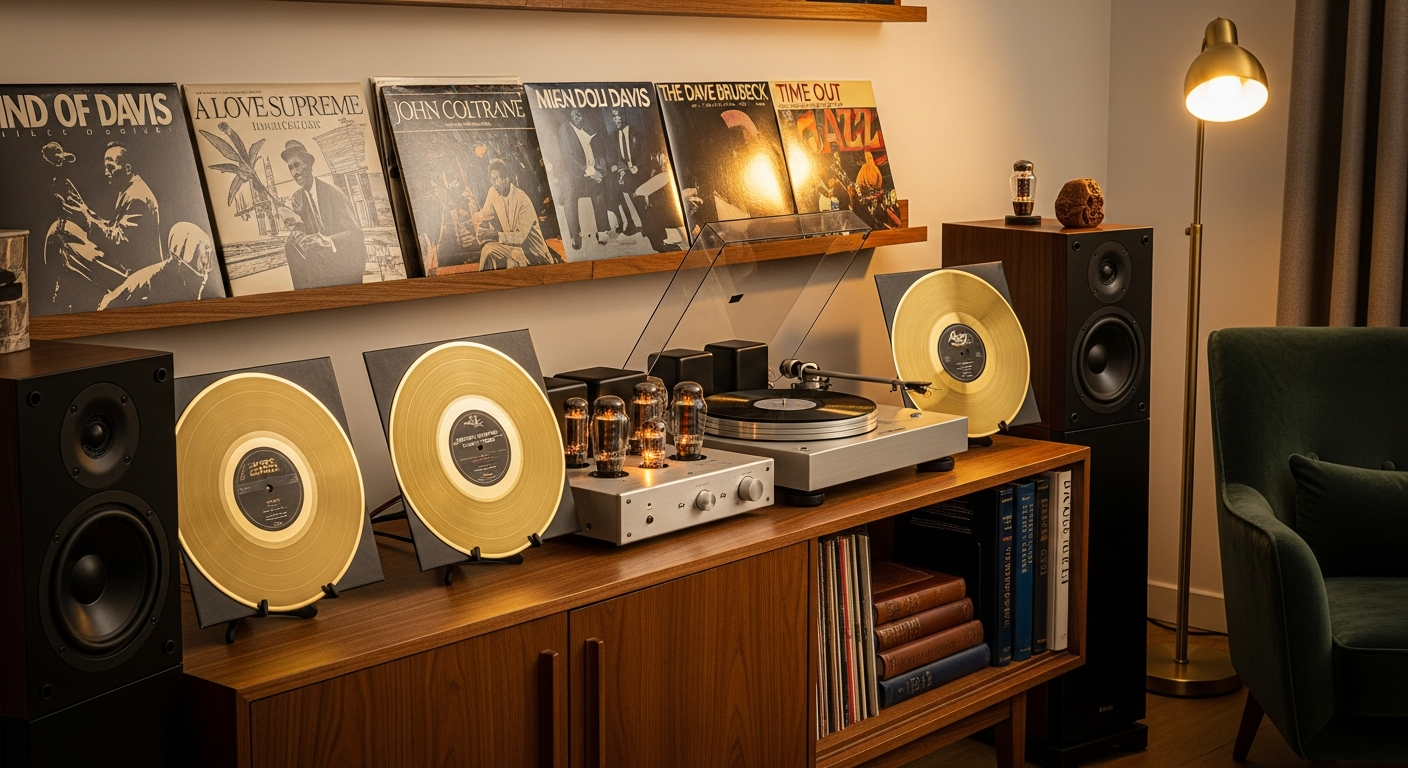
Davis's career encompassed at least five major stylistic periods, and each continues to spawn distinct schools of contemporary playing. The cool jazz of the 1950s, with its restrained beauty and sophisticated harmony, influences one group of players. The modal explorations of Kind of Blue inspire another. The electric fusion of Bitches Brew and beyond speaks to yet another generation.
Interestingly, younger trumpet players are increasingly drawn to Davis's most controversial period — the electric work of the 1970s and 1980s that alienated many jazz critics and fans at the time. Albums like On the Corner and Agharta, once dismissed as commercial or self-indulgent, are now heard as prophetic explorations of rhythm, texture, and electronic sound that anticipated developments in hip-hop, electronic music, and contemporary jazz by decades.
How Do Today's Players Engage with Davis's Legacy?
The most thoughtful contemporary trumpet players approach Davis's legacy not as a template to be copied but as a model of artistic courage. What they take from Davis is not a specific sound or style but a principle: the conviction that an artist must continually evolve, even at the risk of losing audience and critical approval.
Miles didn't play the trumpet — he played Miles. That's the real lesson. Not what notes to play, but how to find your own voice and have the courage to follow it wherever it leads.
As we move further from Davis's lifetime, his stature only grows. He has become to jazz what Shakespeare is to English literature — a figure so foundational that every subsequent artist must somehow reckon with his legacy.