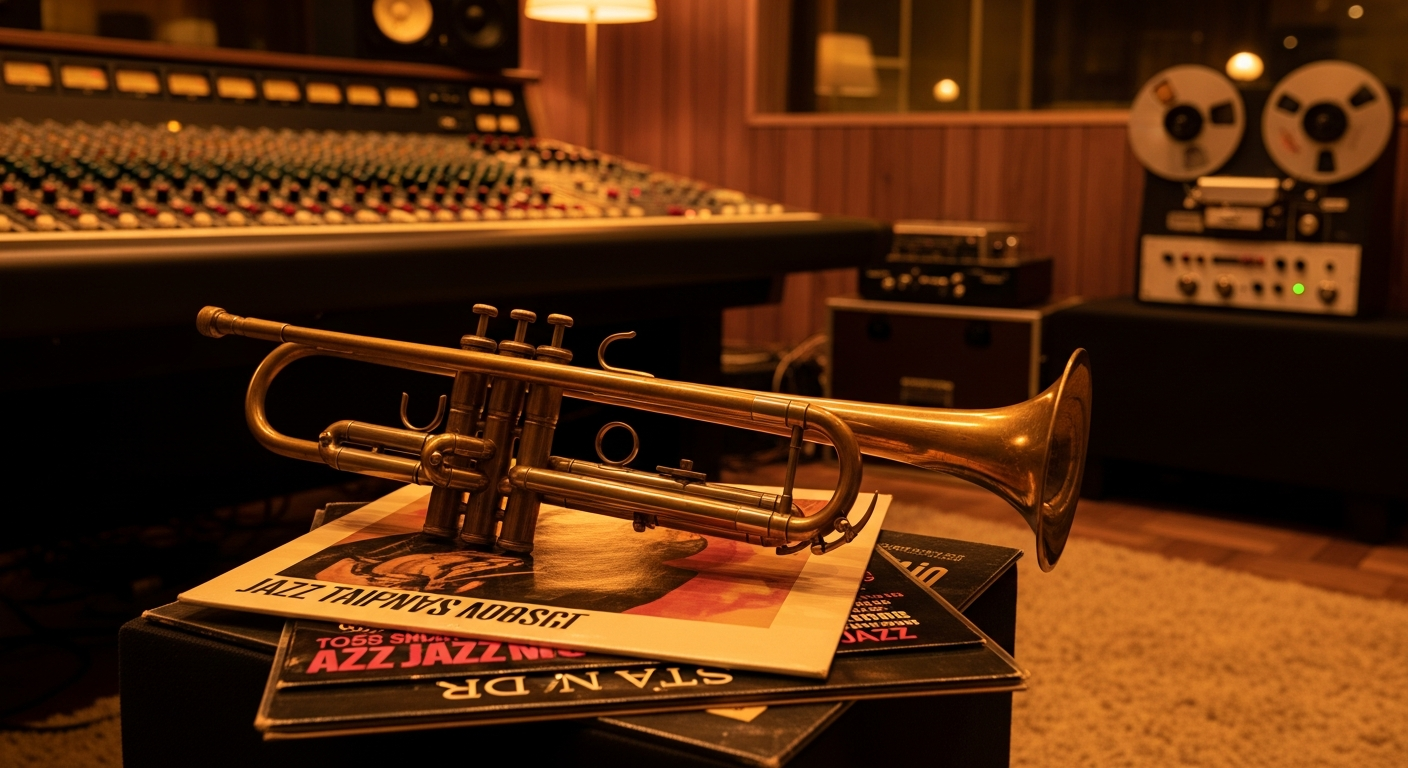

The landscape of jazz fusion is undergoing a seismic shift. A wave of young musicians, many of them trained in conservatories but raised on hip-hop and electronic music, are creating sounds that would have been unimaginable even a decade ago. From the smoky basements of Dalston to the legendary stages of the Blue Note, a new chapter in the fusion story is being written.
Where Is the New Jazz Fusion Scene Based?
London has emerged as the epicenter of this new fusion movement. The city's jazz scene, long nurtured by institutions like Tomorrow's Warriors and the Jazz Cafe, has produced a generation of players who see no boundaries between genres. These musicians grew up listening to Dilla and Aphex Twin alongside Coltrane and Shorter, and their music reflects that omnivorous appetite.
Clubs like Total Refreshment Centre and Kansas Smitty's have become laboratories for this sonic experimentation, hosting nights where a saxophone quartet might share the bill with a modular synthesist. The energy is collaborative, communal, and refreshingly unpretentious.
How Is Technology Changing Jazz Fusion?
What sets this generation apart from their fusion forebears is their relationship with technology. Where the original fusion pioneers of the 1970s experimented with electric instruments as an extension of acoustic practice, today's artists treat software, samplers, and synthesis as primary instruments in their own right.
Live coding performances, AI-assisted improvisation, and spatial audio installations are becoming part of the jazz vocabulary. But crucially, the swing, the blues feeling, and the conversational interplay that defines jazz remains at the core. The technology serves the music, not the other way around.
What Global Influences Shape Modern Fusion?
This new fusion is also markedly more international in its sonic palette. Artists are drawing on West African highlife, South Indian classical music, Brazilian baile funk, and Japanese ambient music, weaving these threads into improvisational frameworks that feel genuinely new rather than merely eclectic.
The result is music that defies easy categorization but rewards deep listening. It is fusion in the truest sense, not just jazz plus rock, but a genuine melting pot of global musical traditions filtered through the improvisatory spirit of jazz.
The spirit of what Ian Carr and Nucleus were doing in 1970 is alive and well. They were the original boundary-crossers, and today's musicians are carrying that torch into uncharted territory.
As streaming platforms and social media break down geographical barriers, these artists are finding audiences that previous generations of jazz musicians could only dream of. The future of fusion has never sounded more exciting.