
Jazz was born from Africa. The rhythmic complexity, the call-and-response structures, the blue notes, the emphasis on improvisation — all trace their origins to the musical traditions that enslaved Africans brought to the Americas. Now, in a profound closing of a historical circle, African musicians are reclaiming and reshaping the art form their ancestors created.
What Is Afro-Jazz?
The term Afro-jazz is necessarily broad. It encompasses the township jazz of Johannesburg, rooted in the musical traditions of South Africa's urban Black communities. It includes the Ethio-jazz of Addis Ababa, which blends Ethiopian modal scales and rhythmic patterns with jazz harmony. It embraces the Afrobeat-jazz hybrids of Lagos, the mbalax-influenced improvisation of Dakar, and the gnawa-jazz fusions of Marrakech.
What unites these diverse expressions is a commitment to integrating African musical identity — rhythm, tonality, spiritual depth — with jazz's improvisational freedom. The result is music that sounds both ancient and futuristic, rooted and adventurous.
How Is African Jazz Reaching Global Audiences?
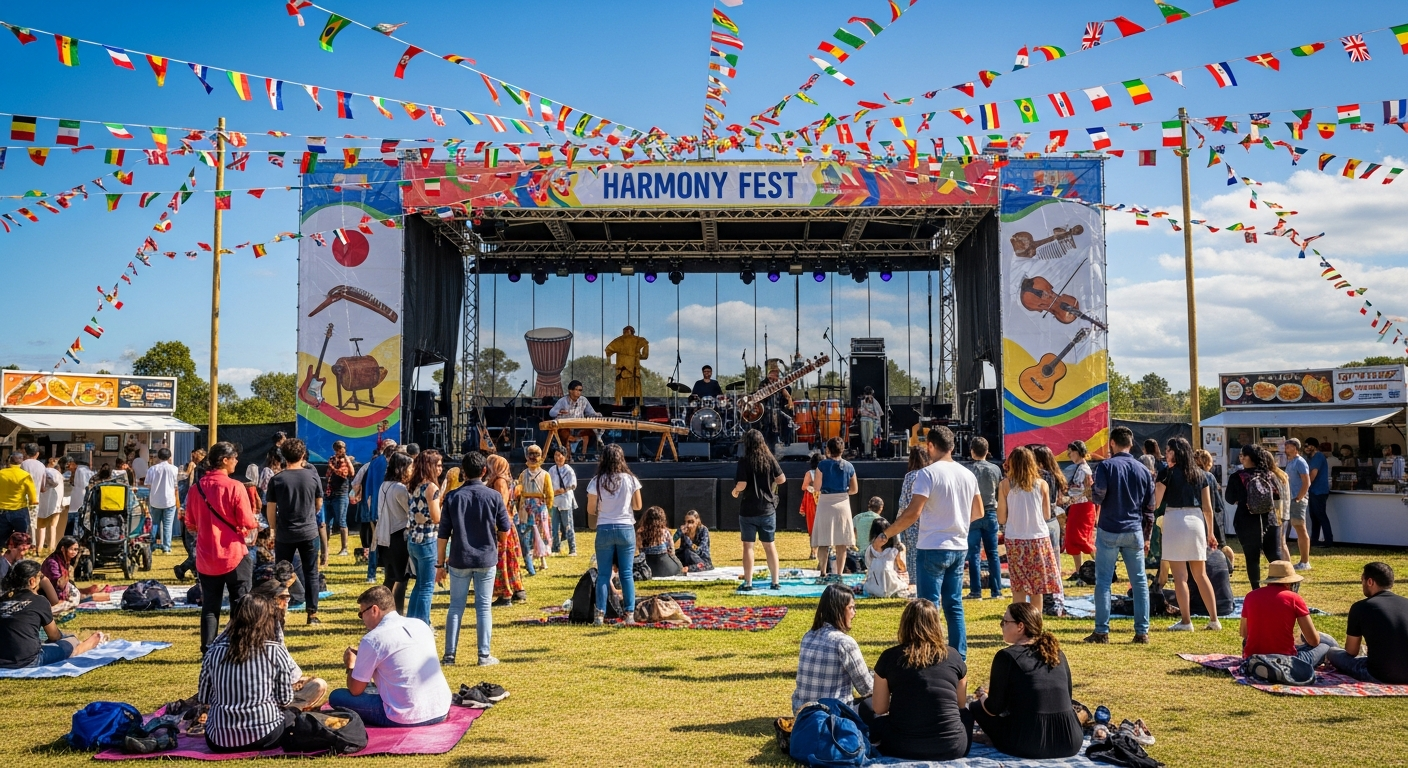
International festivals have been crucial. Major events across Europe, North America, and Asia now regularly programme African jazz artists not as curiosities or "world music" additions but as headliners. Streaming platforms have eliminated the distribution barriers that once confined African jazz to local markets. And a generation of African musicians trained at both local institutions and international conservatories bridges cultural and musical worlds with extraordinary fluency.
The commercial impact is significant. Several African jazz artists have achieved streaming numbers comparable to established Euro-American jazz stars. Festival fees, once drastically lower for African artists, are approaching parity. And a growing network of African jazz labels, managed and owned by African entrepreneurs, is ensuring that the economic benefits flow back to the continent.
What Does This Mean for Jazz's Future?
The Afro-jazz movement has prompted a broader, necessary conversation about jazz's identity. If jazz's roots are African, and if African musicians are now producing some of the most vital jazz on the planet, then the traditional narrative that centres jazz in America and Europe must be reconsidered.
Jazz came from Africa. It is only right that it should return — not as a foreign import but as a homecoming, carrying with it everything it has learned on its long journey through America, Europe, and the world.