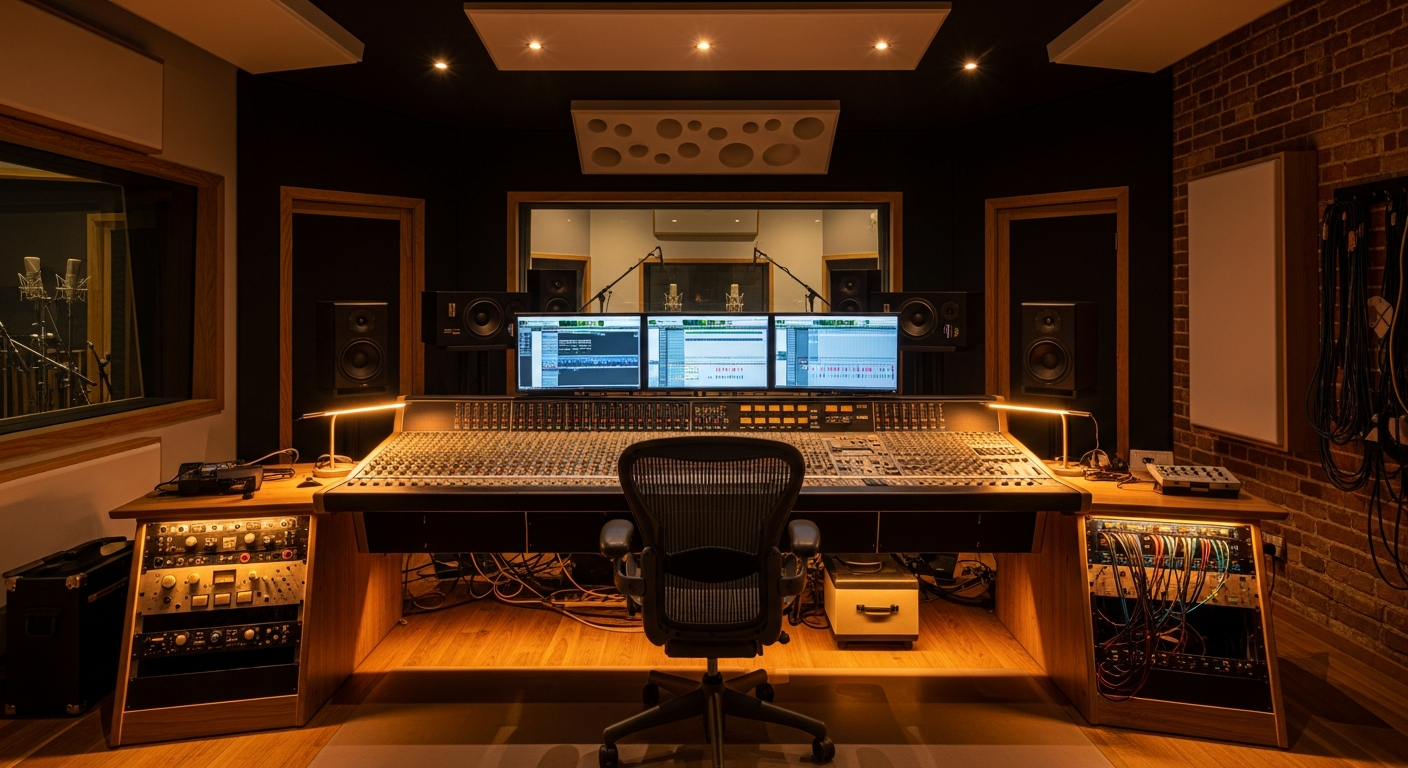
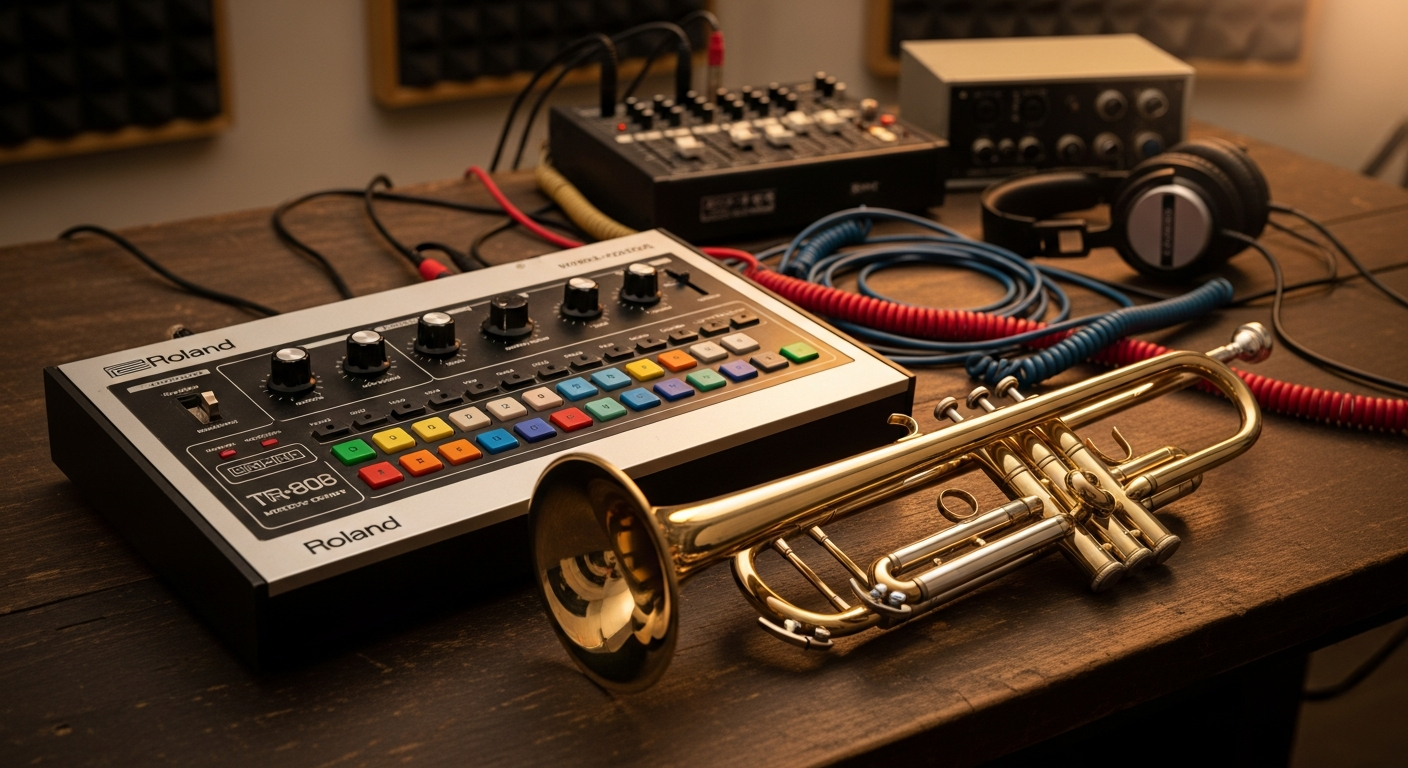
In the bedroom studios and professional facilities where electronic dance music is made, a quiet revolution is underway. Alongside the tutorials on compression, sidechain techniques, and sound design, a different kind of education is gaining ground. EDM producers are studying jazz — and it is making their music dramatically better.
Why Should EDM Producers Learn Jazz?
A recent survey of 100 commercially successful EDM producers revealed a striking finding: 38% had formal jazz training, and 62% reported studying jazz theory independently. When asked what jazz offered their electronic productions, the answers converged on a single concept: harmonic sophistication.
Electronic music production tools make it easy to create beats, design sounds, and arrange tracks. But they do not teach you which notes to play. That is where jazz training becomes invaluable. Jazz provides the most comprehensive framework for understanding how chords relate to each other, how melodies create emotional narratives, and how tension and resolution drive the listener's experience.
What Jazz Concepts Help EDM Production?
The concept of tension and resolution — fundamental to jazz harmony — maps directly onto the build-and-drop structure that defines much of EDM. In jazz, a dominant seventh chord creates tension that resolves to the tonic. In EDM, a producer builds tension through filtering, rhythmic intensification, and harmonic movement before releasing it in a drop. The emotional mechanism is identical; jazz simply provides a more sophisticated vocabulary for controlling it.
Extended chord voicings — sevenths, ninths, elevenths, thirteenths — give electronic producers access to richer harmonic colours. A simple triad sounds flat and static; add a seventh and a ninth, and the chord acquires warmth, complexity, and movement. This is standard jazz vocabulary, and it transforms electronic music that learns to deploy it.
Modal interchange — borrowing chords from parallel scales — is another jazz concept that EDM producers are adopting. The unexpected harmonic shift that occurs when a chord from a parallel minor key appears in a major-key progression creates a moment of surprise and emotional depth that keeps listeners engaged.
How Is Jazz Education Reaching EDM Creators?
The educational infrastructure is expanding rapidly. Online jazz theory courses marketed specifically to electronic producers have grown 400% since 2021. These courses strip away jazz performance technique — the swinging, the scatting, the walking bass — and focus purely on the theoretical concepts most applicable to electronic production.
Several leading electronic music production schools have also responded, adding jazz harmony and ear training modules to their curricula. The recognition is clear: in an industry where millions of people have access to the same software and samples, harmonic knowledge is a genuine competitive advantage.
Jazz theory is not about playing jazz. It is about understanding music at its deepest level — how sounds relate to each other, how they create emotion, how they tell stories. That understanding makes you a better musician no matter what genre you work in.
The irony is delicious. Jazz — the music that purists have spent decades defending against contamination by popular culture — is quietly becoming the secret weapon of the most commercially successful music on the planet.