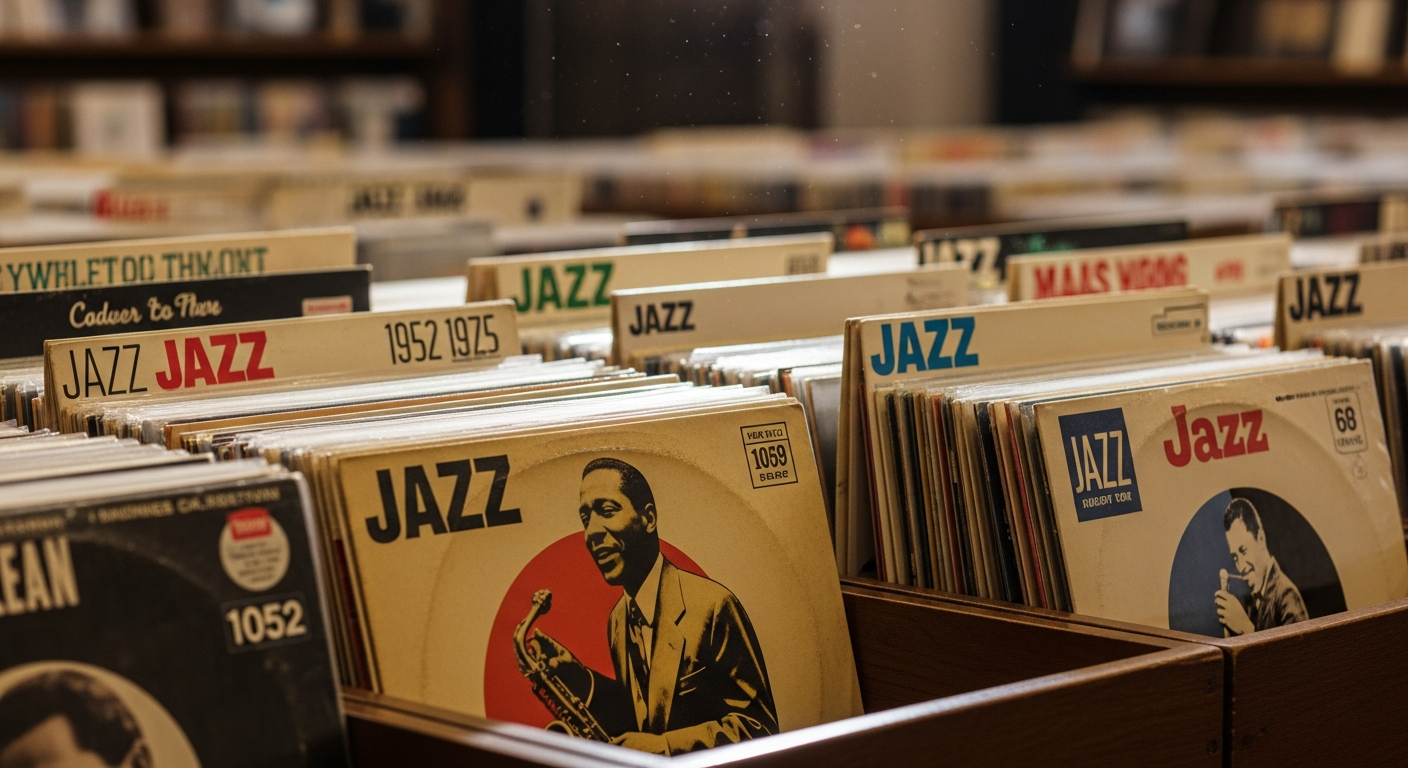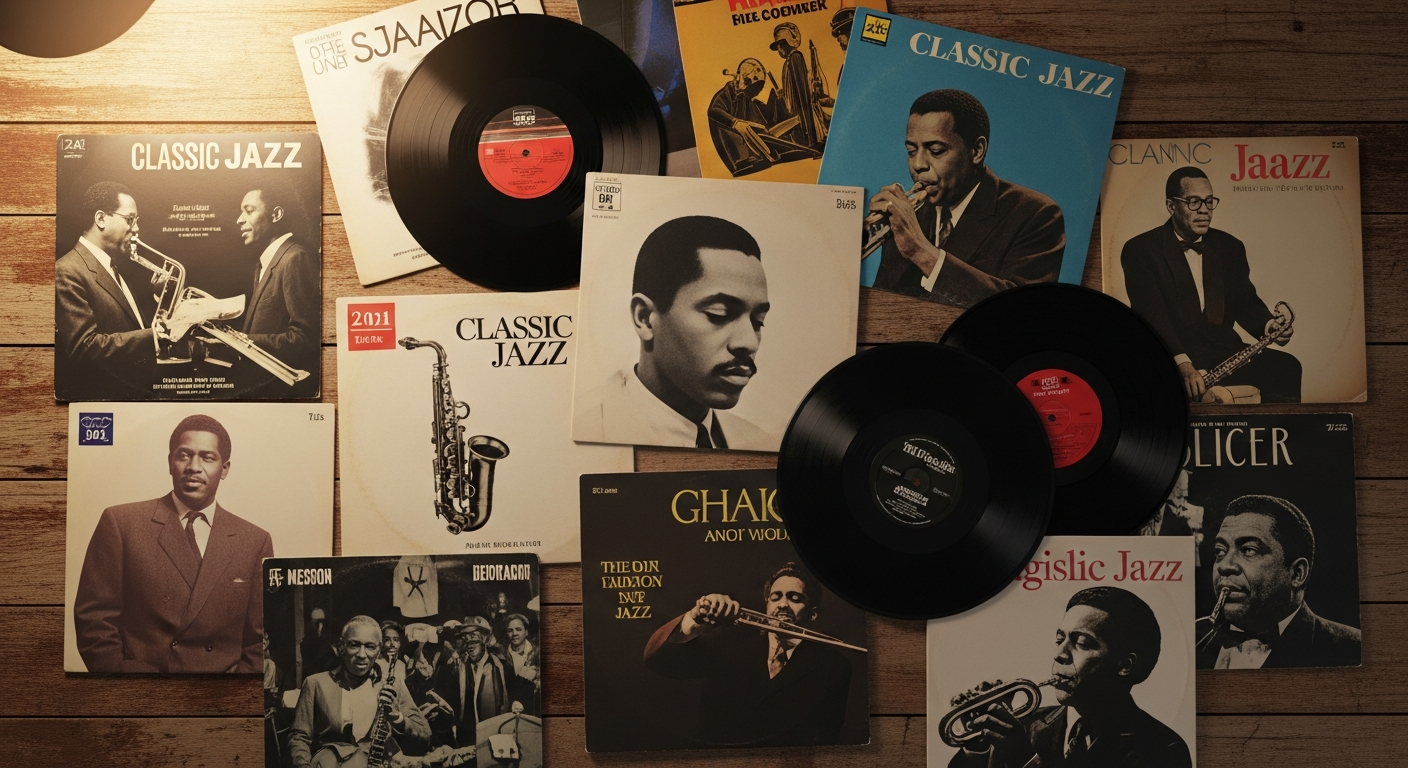

While the broader music industry continues to grapple with the economics of streaming, independent jazz labels are quietly building sustainable businesses by staying close to their audiences and investing in the physical and experiential dimensions of music that streaming cannot replicate.
What Is the Direct-to-Fan Model for Jazz Labels?
Many successful indie jazz labels have pivoted toward a direct-to-fan model that bypasses traditional distribution channels. By selling directly through their own websites, these labels capture a larger share of each sale while building direct relationships with their most dedicated listeners.
This approach works particularly well for jazz, where the audience tends to be highly engaged, knowledgeable, and willing to pay premium prices for quality releases. Limited edition vinyl pressings, hand-numbered prints, and exclusive bonus content create a value proposition that streaming simply cannot match.
Why Does Curatorial Identity Matter for Jazz Labels?
The most successful independent labels have developed strong curatorial identities that function almost like brands. Listeners come to trust that a release on a particular label will meet a certain standard of musical quality and presentation. This trust translates into pre-order sales, subscription models, and a willingness to explore unfamiliar artists based on label affiliation alone.
Labels like those that have championed the reissue of classic British jazz fusion recordings, including seminal works from the Vertigo era, have found enthusiastic audiences eager to rediscover overlooked masterpieces in premium audio quality.
How Are Jazz Labels Building Communities?
Beyond selling records, independent labels are increasingly functioning as community hubs. Label showcases, listening parties, and artist residencies create real-world gathering points for jazz communities. Some labels have expanded into event promotion, booking tours for their roster that combine live performance with vinyl sales in an integrated experience.
Social media and newsletter platforms allow even small labels to maintain regular contact with their audiences, sharing behind-the-scenes content, advance previews, and the stories behind their releases. This ongoing narrative engagement keeps the label present in listeners' lives between releases.
In an era of infinite content and algorithmic curation, what people crave is a trusted guide. The best independent labels fulfill that role, offering not just music but a point of view, a taste level, a community to belong to.
The success of independent jazz labels suggests that there is a viable path for music that prioritizes artistic quality over mass appeal. By focusing on the elements that make their music special, investing in presentation and community, and maintaining direct relationships with their listeners, these labels are building businesses that can sustain artists and delight audiences for the long term.