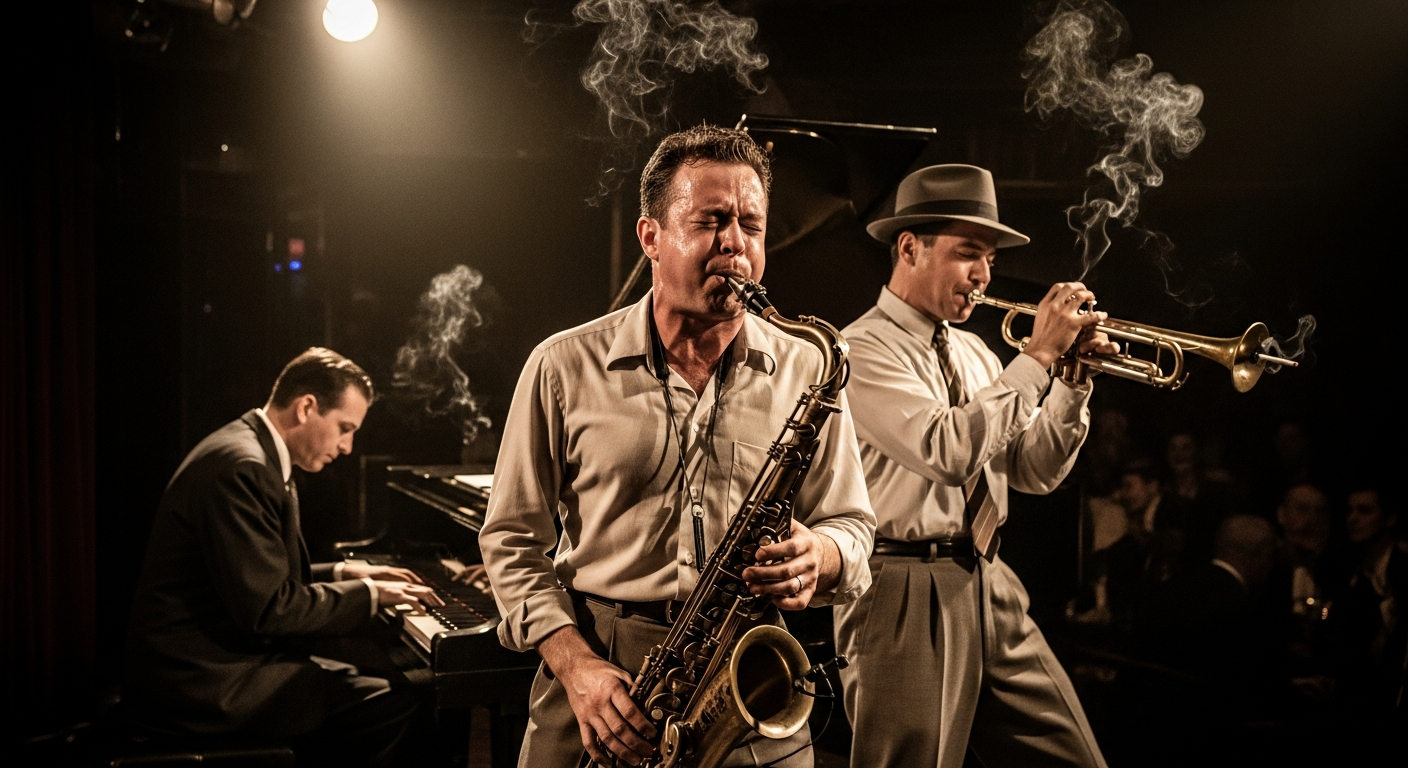
When Duke Ellington led his orchestra, his word was absolute. He chose the repertoire, assigned the solos, determined the arrangements, and paid the salaries. The bandleader model that dominated jazz from the swing era through bebop was, by nature, autocratic. One person's vision shaped everything.
What Is a Jazz Collective?
Today, a different model is ascendant. Over 40% of new jazz groups formed since 2023 describe themselves as collectives — ensembles in which creative leadership, compositional duties, and business decisions are shared among all members. The implications extend far beyond the music itself.
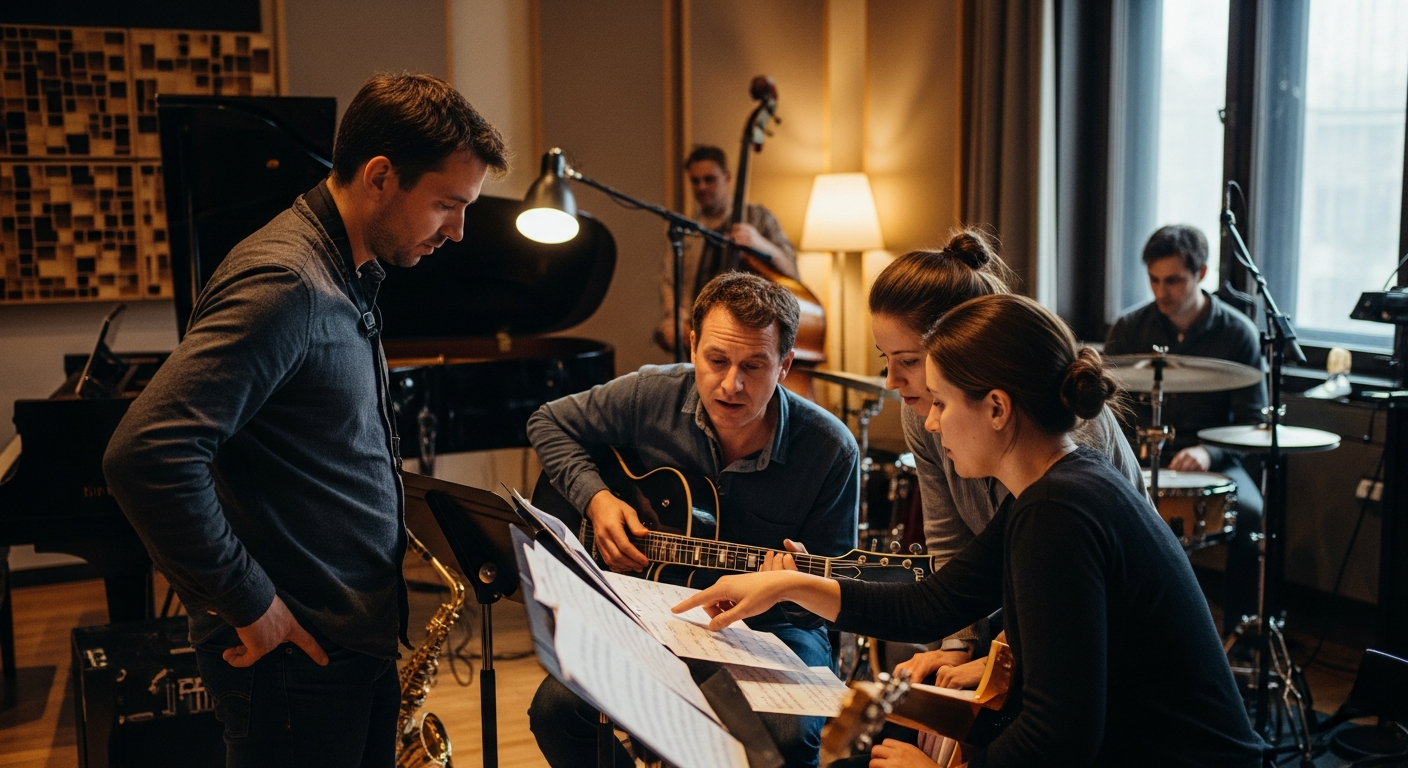
In a collective, composition credits are shared or rotated. Revenue from recordings and performances is divided equally. Stage positioning — traditionally hierarchical, with the leader front and centre — becomes more fluid. Even the group's name reflects the collective identity rather than a single personality.
How Has Jazz Band Leadership Changed?
The historical precedents are significant. The Art Ensemble of Chicago, formed in 1969, pioneered the collective approach in jazz, with five members sharing compositional and performance responsibilities equally. The Association for the Advancement of Creative Musicians (AACM) in Chicago and the Brotherhood of Breath in London explored similar models in the 1960s and 1970s.
But the current wave of collectivism is distinct in its scale and its integration of business principles. Today's collectives are not just artistic statements — they are structured business entities with shared ownership, transparent finances, and democratic governance.
Does the Collective Model Make Better Music?
The debate is fierce. Critics argue that the collective model can dilute artistic vision, producing music that is compromised rather than collaborative. Great art, they contend, often requires a singular vision — a Coltrane, a Mingus, a Miles — driving the project forward.
Supporters counter that the collective model produces music that is more adventurous precisely because it draws on multiple perspectives. When every member has a stake in the creative direction, the range of ideas entering the music expands dramatically.
The best jazz has always been about listening — to each other, to the moment, to the music as it unfolds. The collective model simply extends that principle from the bandstand to the rehearsal room and the business meeting.