Something remarkable is happening in cities around the world. Despite, or perhaps because of, the dominance of digital entertainment, new jazz clubs are opening at a rate not seen in decades. From repurposed industrial spaces in Detroit to hidden basement bars in Seoul, entrepreneurs and music lovers are investing in venues dedicated to the intimate experience of live jazz.
Why Is There Renewed Demand for Live Jazz Clubs?
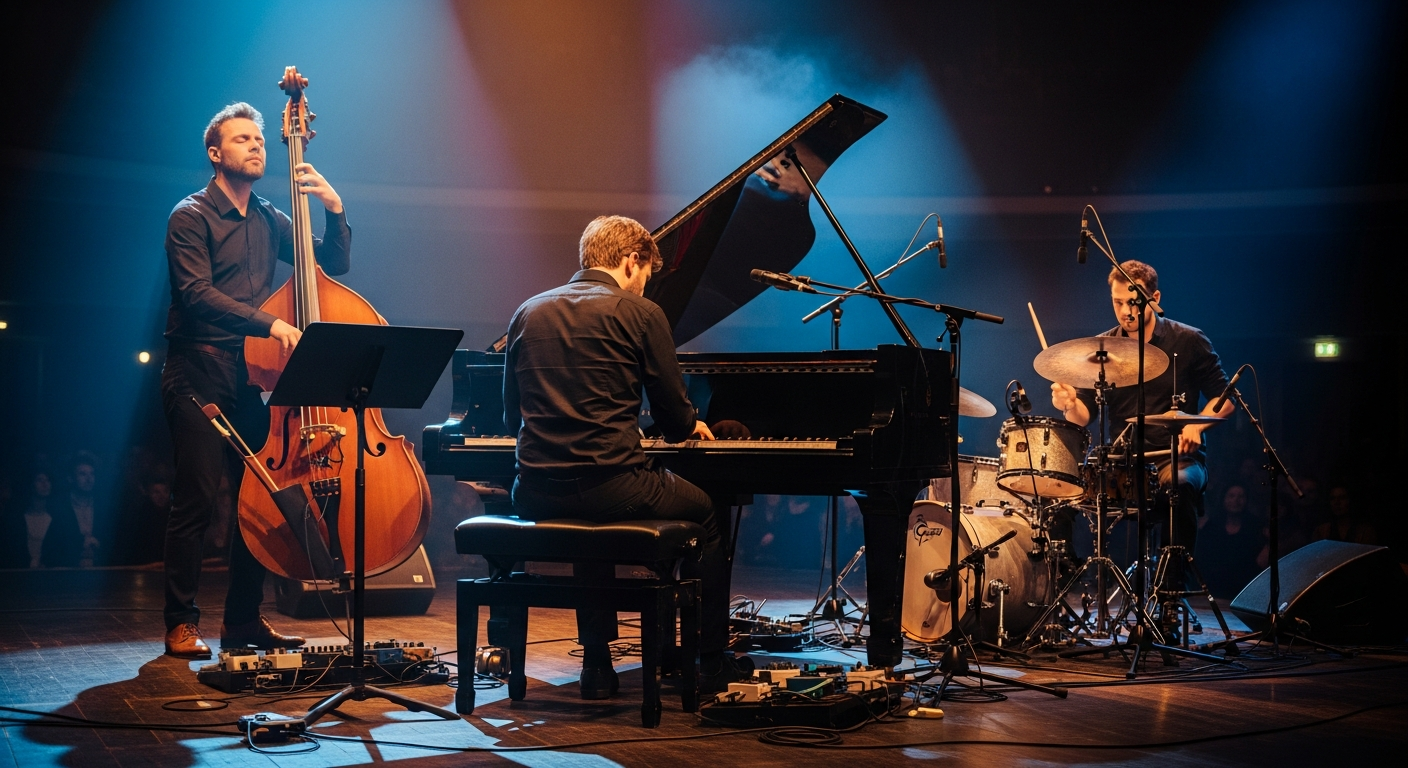
The live music industry's extended disruption created a paradoxical effect. Rather than killing the appetite for live performance, the experience of going without it made people appreciate what makes live music irreplaceable. The intimacy, the spontaneity, the shared energy between performers and audience, these are qualities that no streaming service or virtual concert can replicate.
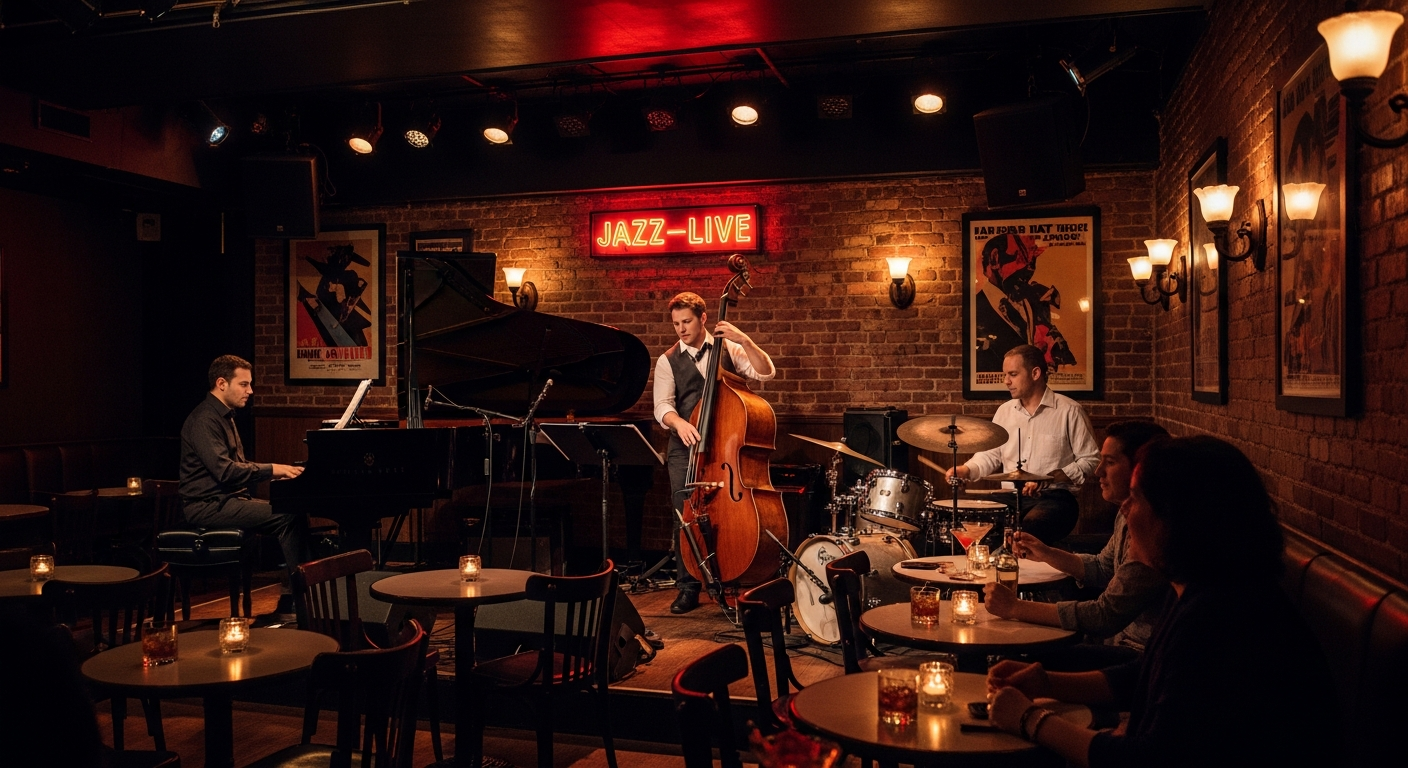
New jazz clubs are leaning into this intimacy. Many are deliberately small, with capacities under 100, creating an atmosphere where the audience can hear the click of the keys and feel the air move from the bell of a saxophone. The experience is designed to be the antithesis of scrolling through a playlist.
What Business Models Sustain Modern Jazz Clubs?
Today's jazz club operators are more business-savvy than their predecessors. Membership models, premium food and drink programs, and corporate event hosting provide revenue streams that supplement door and bar sales. Some clubs operate as hybrid spaces, functioning as cafes or coworking spaces during the day before transforming into music venues at night.
Others have found success with subscription models, where members pay a monthly fee for unlimited access to shows. This provides stable income for the venue while encouraging regular attendance and community building.
Where Are Jazz Clubs Growing Outside Traditional Jazz Cities?
What makes this revival particularly exciting is its geographic spread. While traditional jazz capitals like New York, London, and Paris continue to add new venues, the most surprising growth is happening in cities without established jazz scenes. New clubs in cities across Eastern Europe, Southeast Asia, and Latin America are introducing live jazz to audiences encountering it for the first time.
A jazz club is more than a venue. It is a social institution, a place where strangers become a community through the shared experience of live music. Every great jazz city was built on the foundation of its clubs.
For jazz musicians, the expansion of the club circuit means more opportunities to play, more diverse audiences to connect with, and a healthier ecosystem for developing and sustaining a career in live performance.