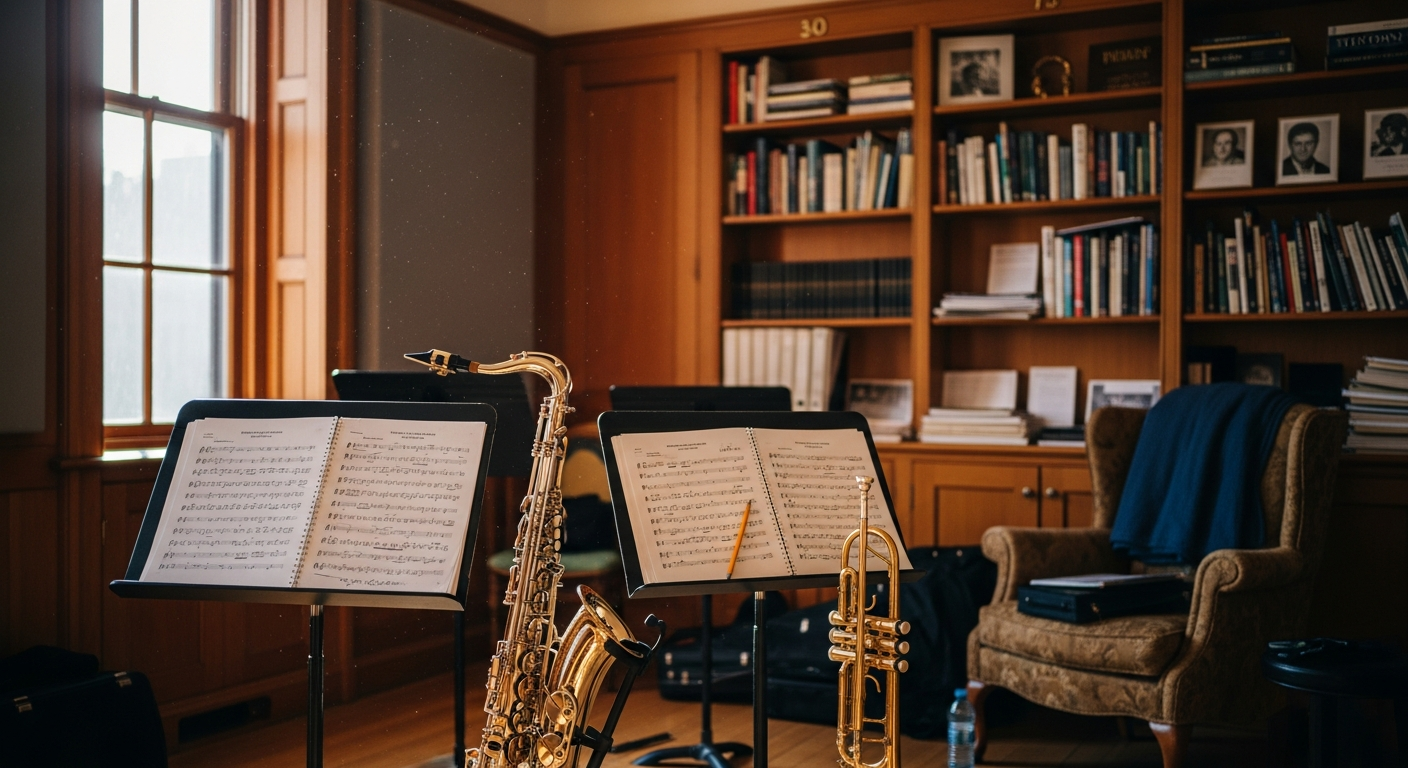
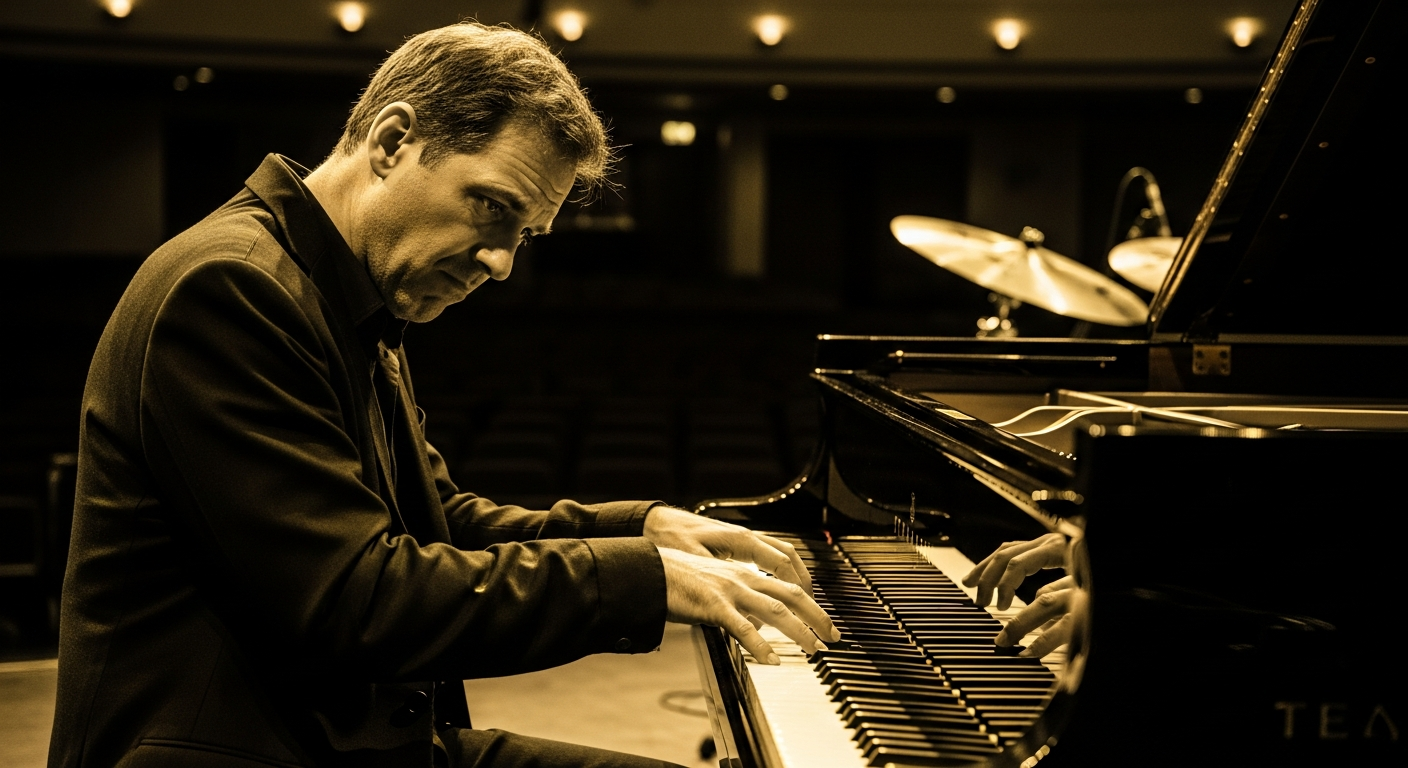
Jazz education is experiencing a global expansion that reflects the music's increasingly international reach and evolving nature. Universities and conservatories across Europe, Asia, and the Americas are not only expanding their jazz programs but fundamentally rethinking what jazz education should look like in the 21st century.
What Do Modern Jazz Programs Teach Beyond Performance?
The days when jazz education meant learning transcriptions and sitting in big bands are not gone, but they are being supplemented by a much broader curriculum. Today's jazz programs increasingly include courses in music technology, electronic production, business and entrepreneurship, and cross-cultural musical studies.
Ian Carr himself recognized the importance of jazz education, serving as associate professor at the Guildhall School of Music and Drama from 1987, where he taught composition and performance with a particular emphasis on improvisation. His approach, which valued creative exploration over rigid methodology, remains influential in how many programs approach their teaching.
How Do European Jazz Programs Differ from American Ones?
European conservatories have been particularly innovative in their approach to jazz education. Programs in Amsterdam, Copenhagen, and Berlin have developed curricula that treat jazz not as a fixed tradition to be preserved but as a living practice that continues to evolve. Students are encouraged to develop their own musical voices rather than simply reproducing the styles of past masters.
The Royal Academy of Music in London has recently announced a significant expansion of its jazz program, adding new faculty positions and a state-of-the-art recording facility dedicated to jazz and improvised music.
How Are Jazz Programs Addressing Diversity?
Jazz programs are also making concerted efforts to address historical imbalances in their student bodies and curricula. Scholarship programs targeting underrepresented communities, curriculum reforms that acknowledge jazz's diverse global roots, and mentorship initiatives connecting students with working professionals from varied backgrounds are becoming standard features of leading programs.
These efforts are beginning to change the demographics of jazz education, with programs reporting more diverse student cohorts than at any point in their histories.
The best jazz education does not teach students what to play. It teaches them how to listen, how to think, and how to find their own voice. Everything else follows from that.
For aspiring jazz musicians, the expanding landscape of educational opportunities means more pathways into the profession than ever before. Whether through traditional conservatory training, online learning platforms, or community-based mentorship programs, the infrastructure supporting jazz's next generation is growing stronger.