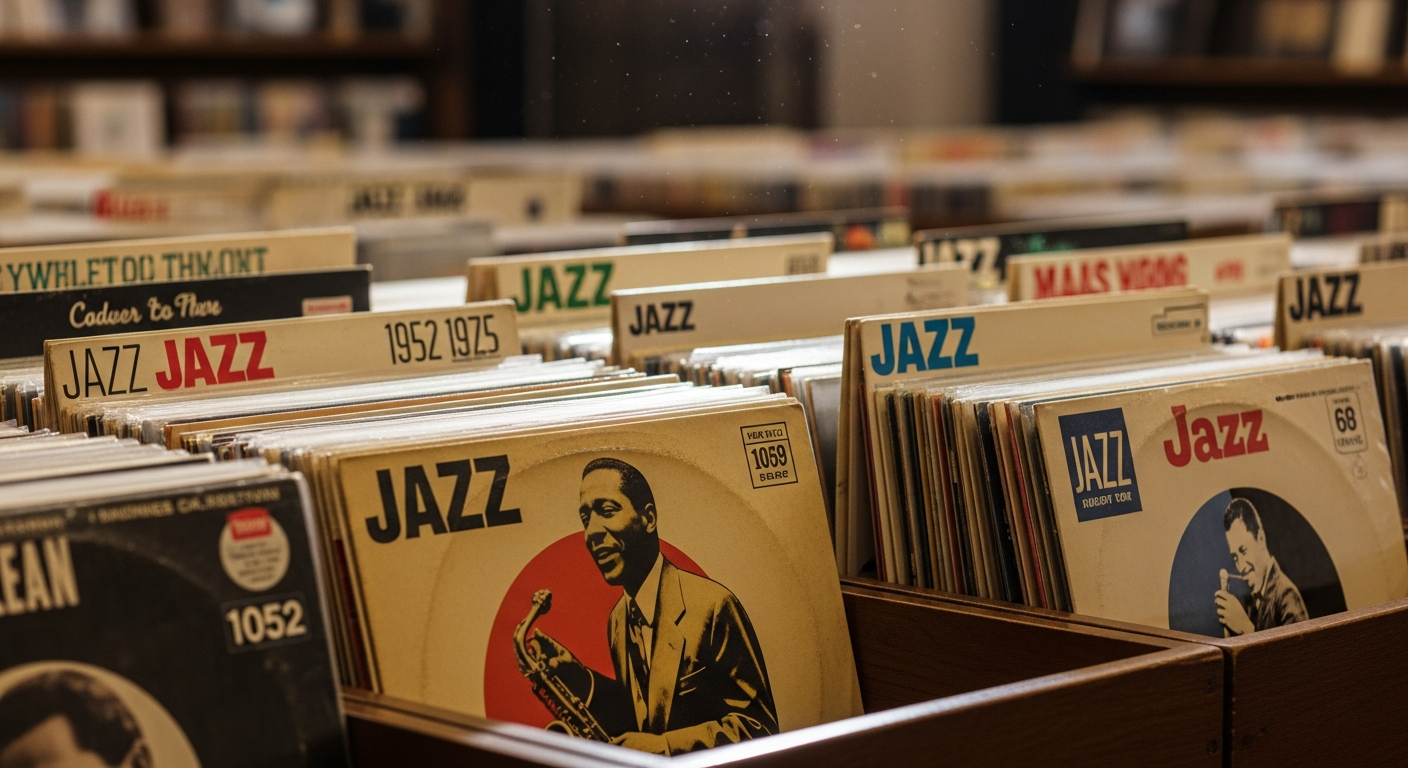
On a grey Saturday morning in London's Soho, a queue of twenty people stands outside a specialist record shop, waiting for the doors to open. They are not teenagers chasing the latest pop release. They are jazz vinyl collectors, and they have heard a rumour that the shop has acquired a collection of original Blue Note pressings.
What Are the Most Valuable Jazz Vinyl Records?
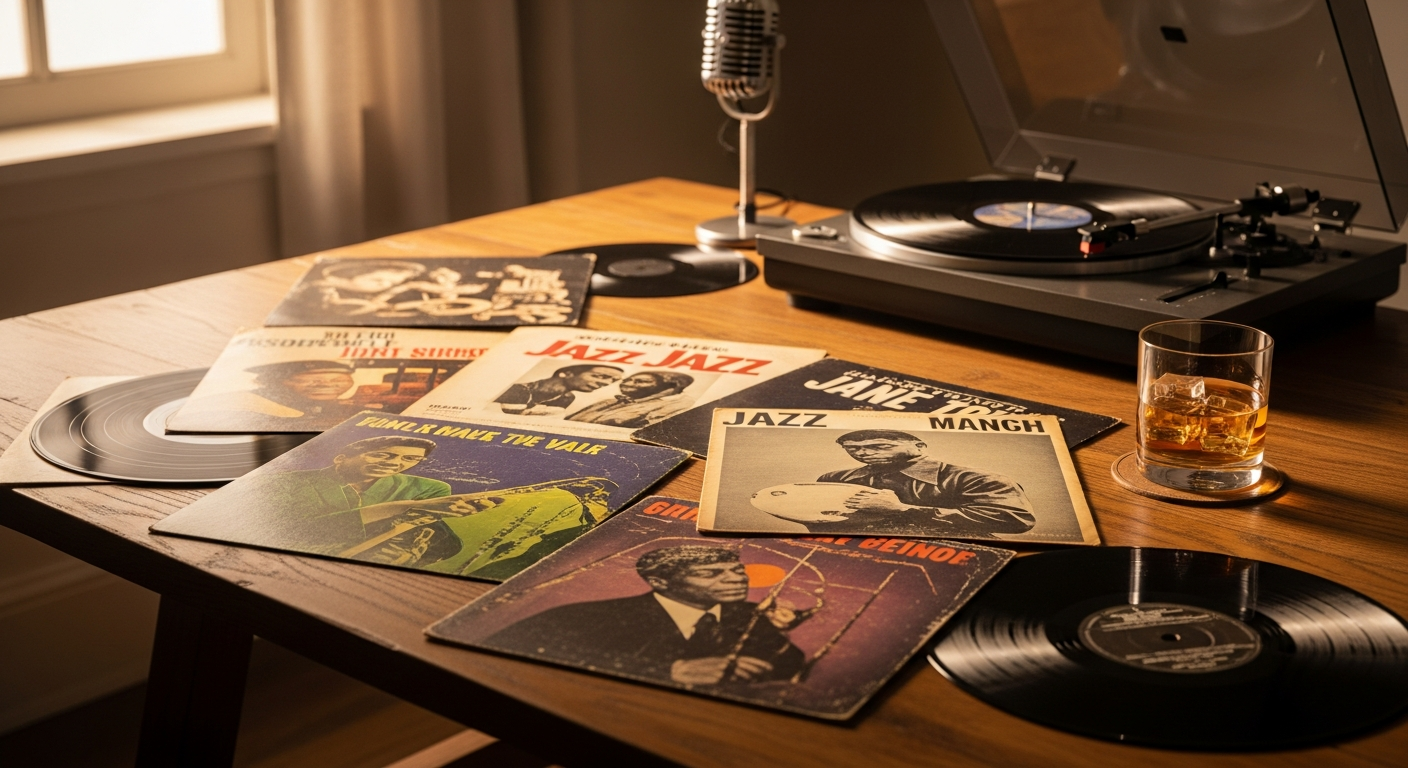
The jazz vinyl market has reached remarkable heights. Original Blue Note pressings from the label's golden era — roughly 1955 to 1967 — have appreciated over 300% in the last decade. First pressings of iconic albums by John Coltrane, Miles Davis, Thelonious Monk, and Art Blakey regularly command five-figure sums at auction.
But the market extends far beyond Blue Note. Original Prestige, Riverside, and Impulse! pressings are equally sought-after. And an unexpected corner of the market has exploded: Japanese pressings. Certain editions released by Nippon Columbia and King Records, once considered inferior to US originals, now command premiums of their own, prized for their superior pressing quality and distinctive cover art.
Who Is Buying Rare Jazz Records?
The demographic of jazz vinyl collectors has shifted dramatically. A new generation of buyers, many under 35, are driving demand. Their path to collecting often begins on streaming platforms, where they discover artists and albums before seeking the physical artefact.
"I heard Herbie Hancock's 'Maiden Voyage' on a playlist," explains one collector. "Then I needed to hold it in my hands, to see the artwork, to hear it the way it was meant to be heard."
How Technology Is Changing Jazz Record Authentication
As values have risen, so has the sophistication of counterfeiting. In response, authentication technology has advanced rapidly. AI-powered groove analysis can now examine the physical characteristics of a record's surface and compare them against databases of known originals, achieving 99.2% accuracy in identifying genuine pressings.
This technology has brought a new level of confidence to high-value transactions. Major auction houses now routinely employ these tools, and several smartphone apps have made basic authentication accessible to everyday collectors.
A great jazz record is not just music — it is a physical artefact of a moment in time when art, technology, and culture converged to create something extraordinary.
Whether the market represents a bubble or a permanent revaluation remains debated. But one thing is clear: the physical jazz record, far from being rendered obsolete by digital technology, has become more desirable than ever.