In the vast arena of contemporary music, where festival stages grow ever larger and production budgets spiral upward, something quietly remarkable is happening in the world's jazz clubs. The piano trio — that most elemental of jazz configurations — is experiencing a renaissance that nobody predicted.
Why Are Piano Trios Popular Again?
The numbers tell a compelling story. Booking data from major jazz venues across London, New York, and Tokyo shows piano trio engagements have increased 47% since 2024. Album releases in the format have doubled. And on streaming platforms, piano trio playlists are among the fastest-growing categories in jazz.
But the revival is about more than numbers. It represents a fundamental shift in what audiences want from live music. After years of increasingly spectacular productions, there is a growing hunger for something real, something unmediated, something that happens in the moment between three musicians who are truly listening to each other.
How Social Media Is Amplifying Trio Jazz
Ironically, the most intimate format in jazz is being amplified by the most public of platforms. Short clips of piano trio performances regularly accumulate millions of views on social media. A thirty-second clip of a bassist and pianist locked in an extraordinary musical conversation can travel further than any marketing campaign.
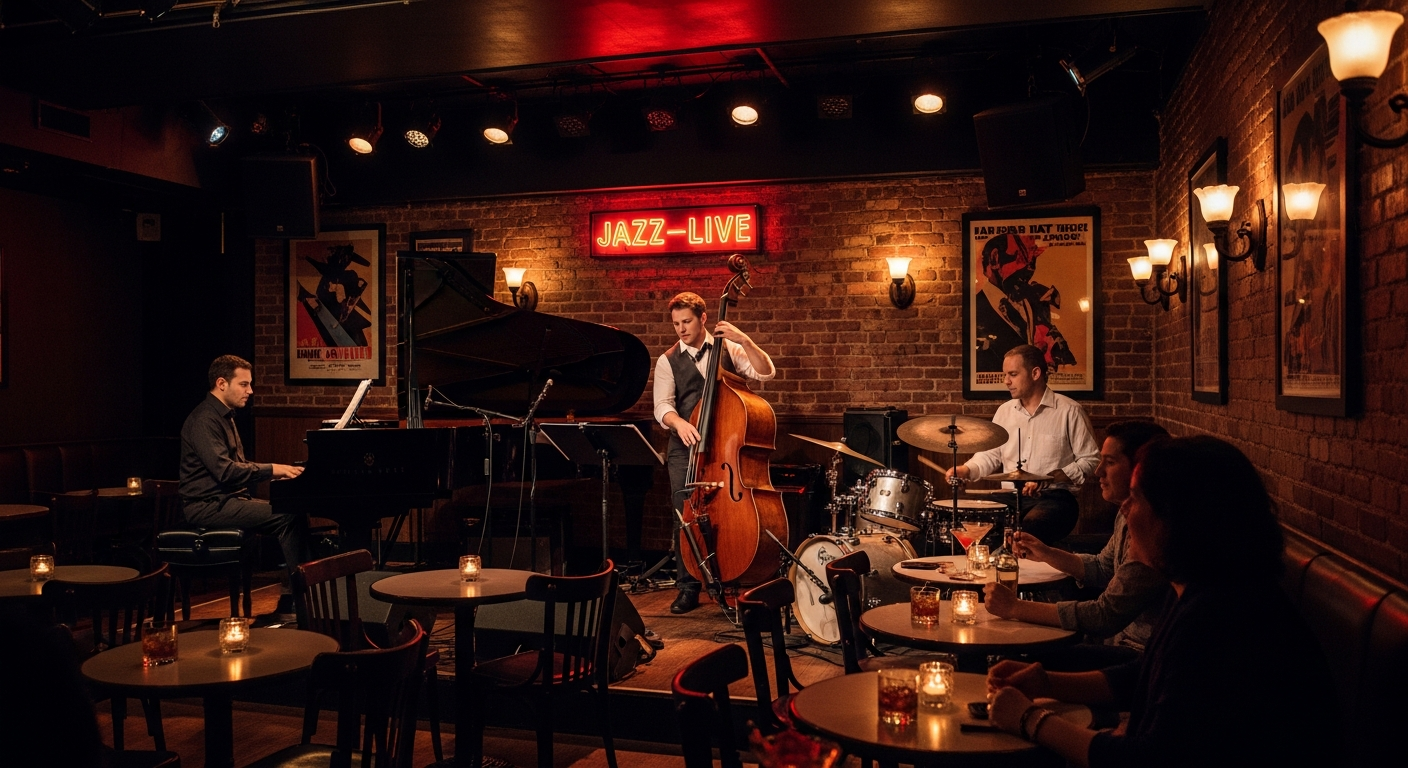
The visual simplicity of the trio format works in its favour. Unlike a big band or a fusion group surrounded by equipment, a piano trio offers a clean, compelling visual frame. The audience can see every gesture, every glance between musicians, every moment of spontaneous creation.
What Makes the Modern Piano Trio Different?
Today's piano trio artists are not simply recreating the music of Bill Evans or Oscar Peterson. They are reimagining the format itself. Prepared piano techniques, electronic augmentation, and rhythmic vocabularies drawn from West Africa, South India, and Brazil are expanding what the trio can express.
One London-based pianist has developed a technique of playing acoustic piano and triggering electronic samples simultaneously, creating a sound world that is both warmly familiar and startlingly new. A Tokyo trio incorporates elements of traditional Japanese music, finding unexpected connections between jazz harmony and the tonal language of the koto.
The piano trio is jazz distilled to its essence — three voices in conversation. Everything else is commentary.
The commercial success of these recordings suggests that audiences are ready for music that challenges as well as comforts. In an age of algorithmic playlists and background listening, the piano trio demands attention. It rewards close listening. And that, perhaps, is exactly what people are looking for.