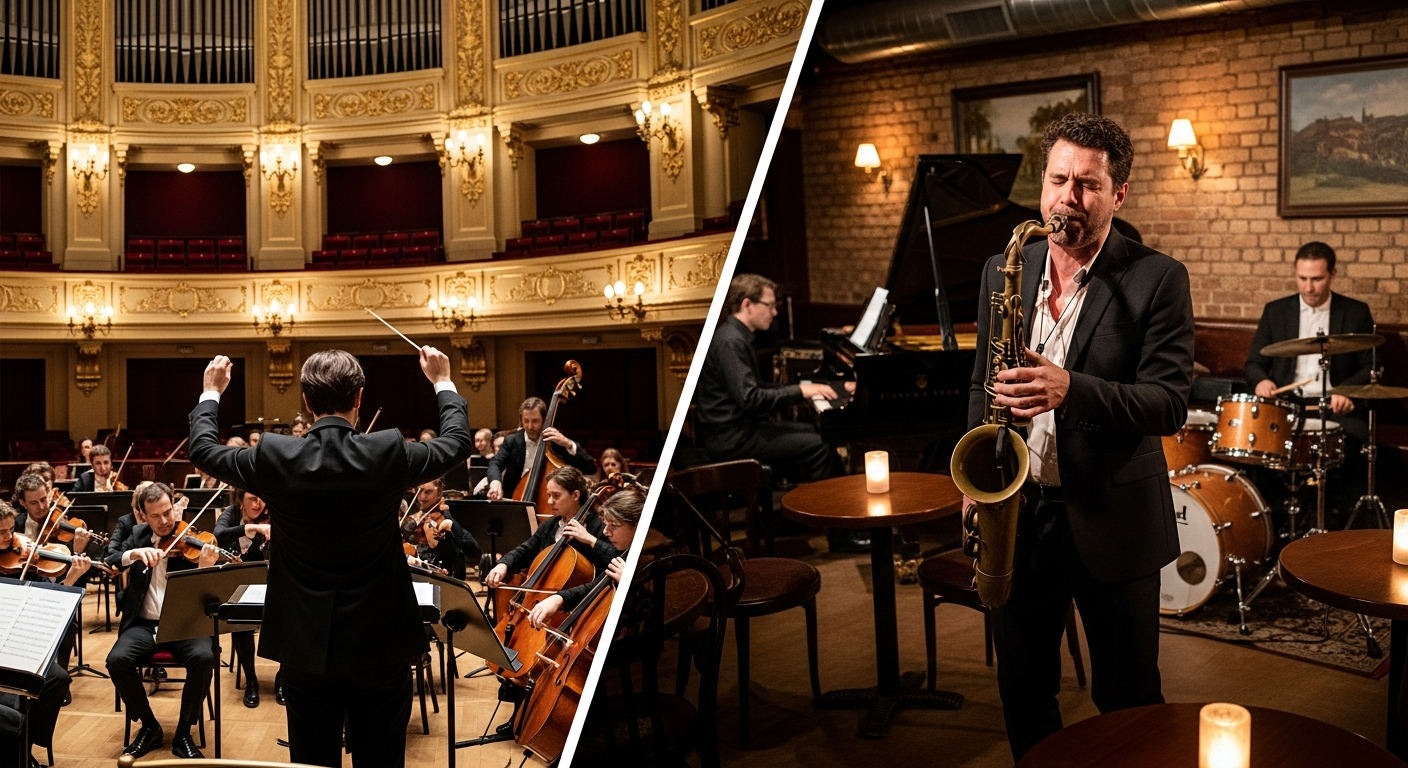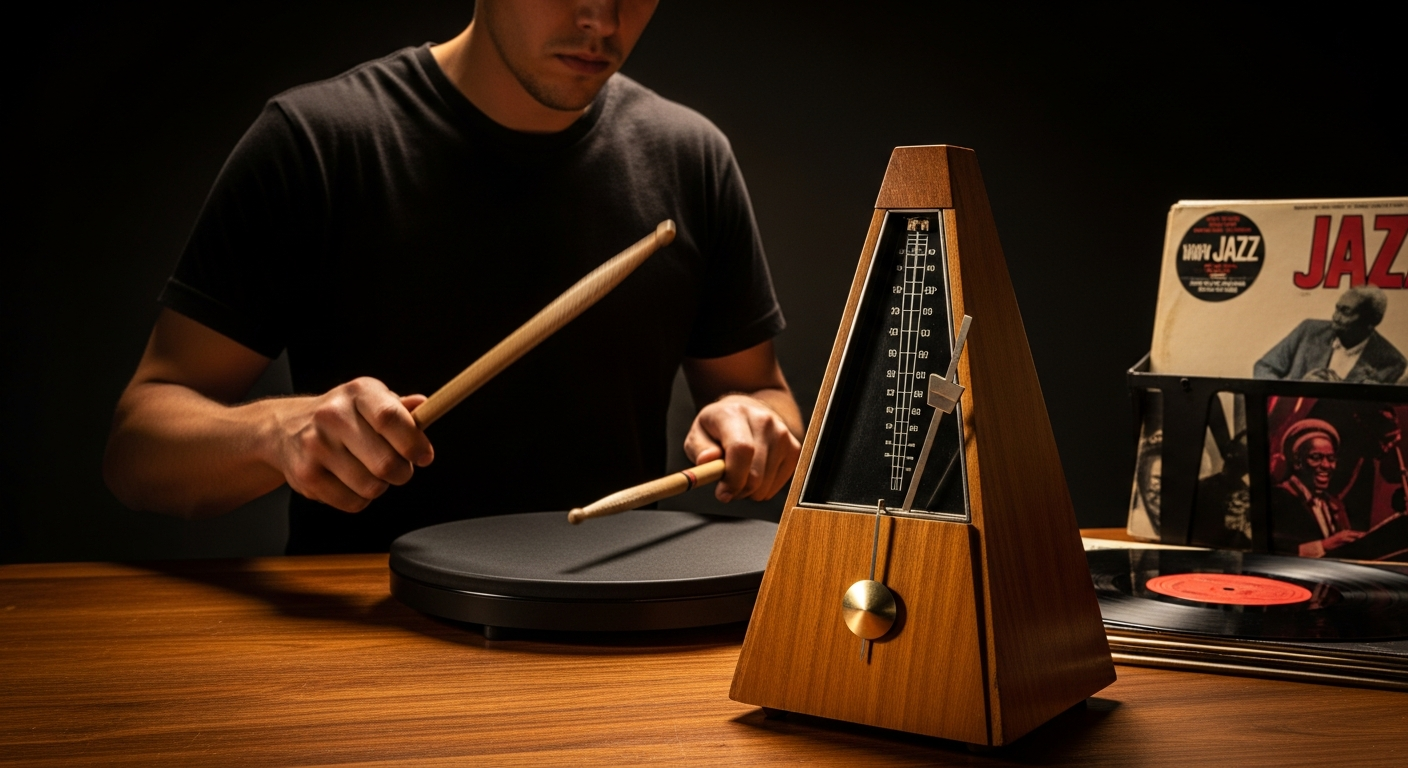
The practice room is where jazz happens before it happens. Every spontaneous-sounding solo, every effortless melodic invention, every moment of group telepathy on the bandstand — all are rooted in hours of disciplined preparation that audiences never see.
How Much Do Jazz Musicians Practice?
We surveyed 50 working jazz professionals — musicians who earn their primary income from performance and recording — to discover what really happens behind the practice room door. The results challenge many common assumptions about how professional musicians prepare.
The average daily practice time is 2.5 hours, lower than many non-musicians might expect. But the figure masks significant variation. Young professionals in their twenties and thirties report longer sessions — often 3-4 hours. Established players in their forties and beyond typically practise less but more efficiently, having developed the ability to identify and address specific weaknesses quickly.
What Do Professional Jazz Musicians Actually Practice?
The most universal practice activity is transcription. Over 80% of surveyed musicians include it as a regular component of their routine, regardless of how long they have been playing professionally. Learning solos by ear — absorbing the phrasing, timing, harmonic choices, and emotional contour of master musicians — remains the core training method in jazz.
Technical exercises, which dominate student practice, occupy a diminishing portion of professional routines. Instead, professionals focus on what they describe as "musical" practice: exploring harmonic ideas, developing compositional skills, and working on the specific repertoire for upcoming performances.
How Has Practice Changed in the Digital Age?
Technology has transformed practice. Apps that slow down recordings without changing pitch allow fine-grained transcription work. Play-along software provides rhythm section accompaniment at any tempo and in any key. Video analysis helps musicians examine their physical technique. And online communities provide feedback and accountability that was once only available from a teacher.
Perhaps most surprisingly, mental practice — studying music away from the instrument — accounts for an average of 30 minutes of daily practice time among professionals. This includes harmonic analysis, score study, listening, and visualisation techniques borrowed from sports psychology.
Practice is not about getting better at what you can already do. It is about discovering what you cannot yet do and finding a way to do it. That process never ends, and that is what makes jazz a lifelong pursuit.