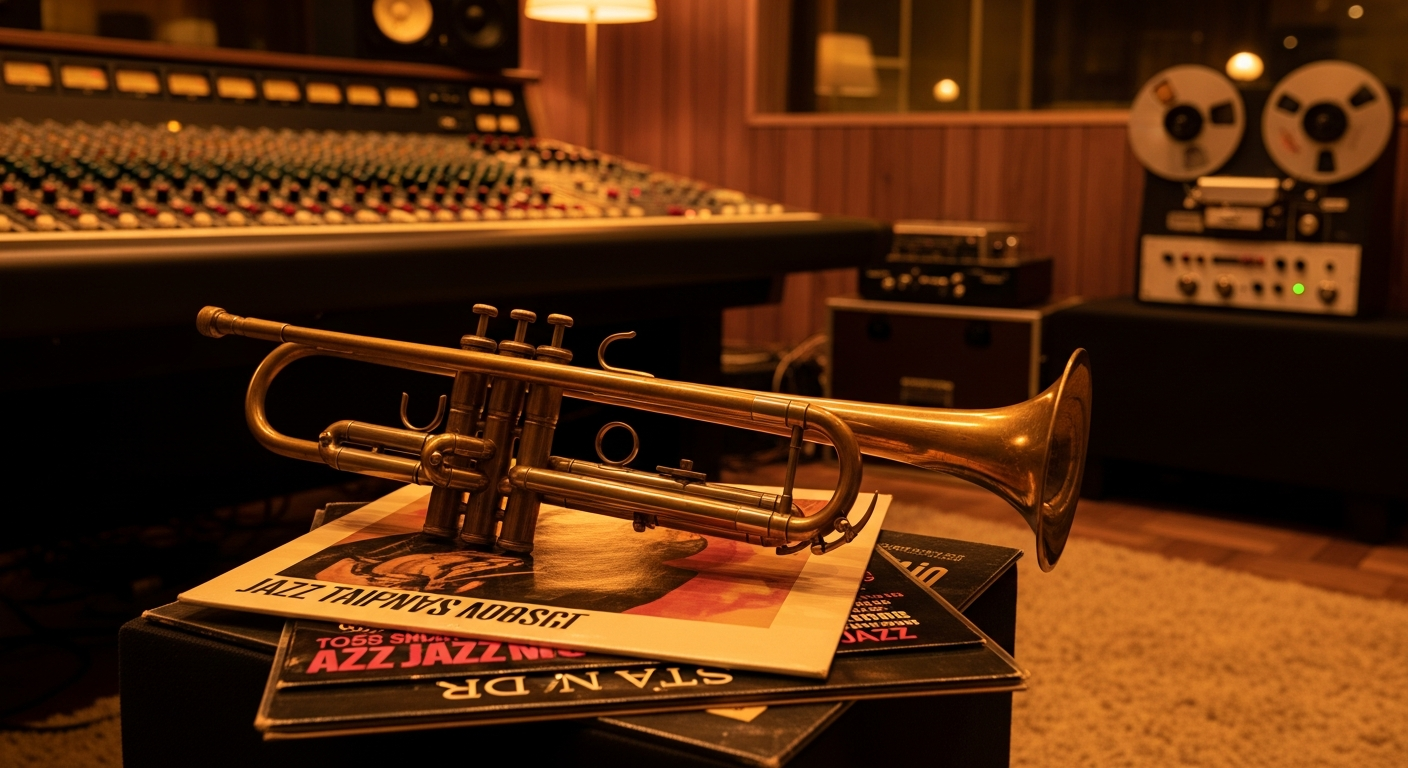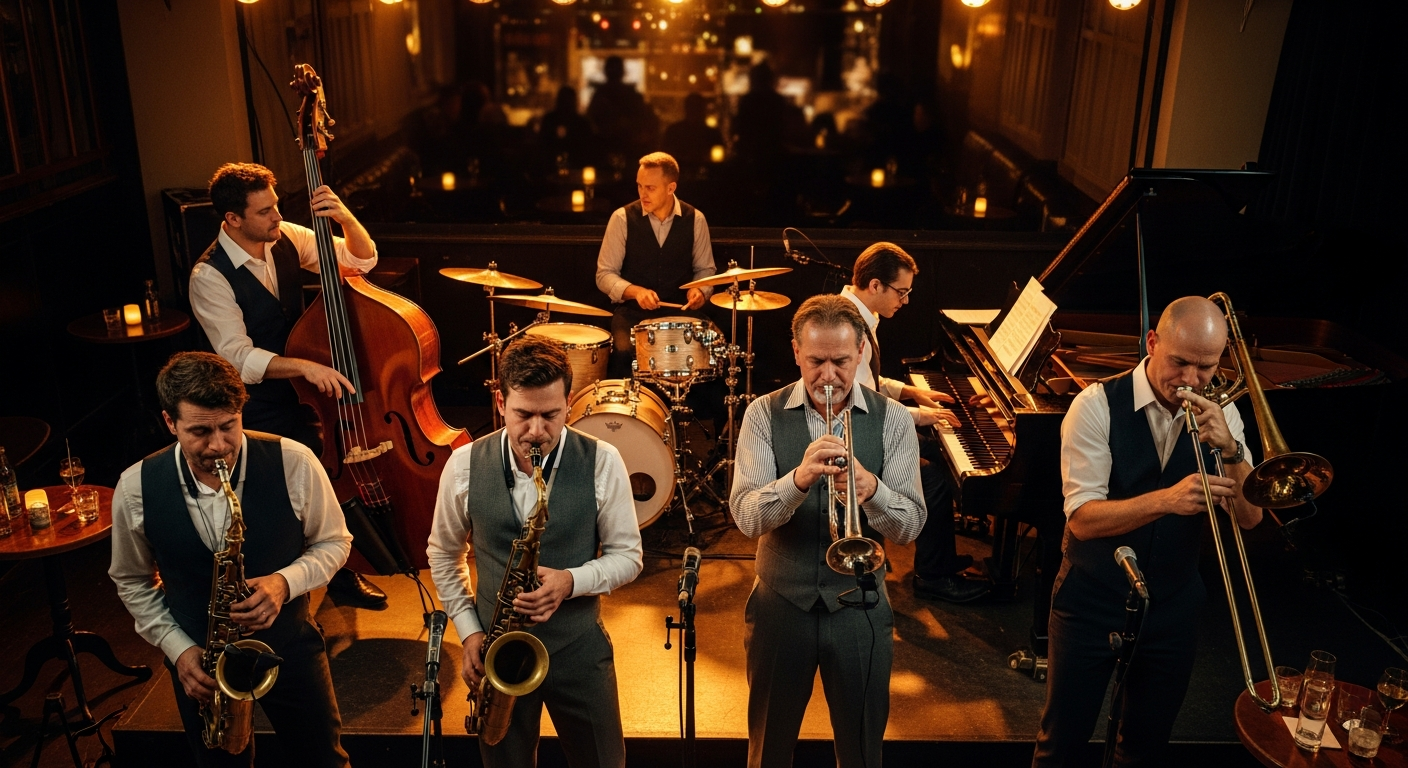
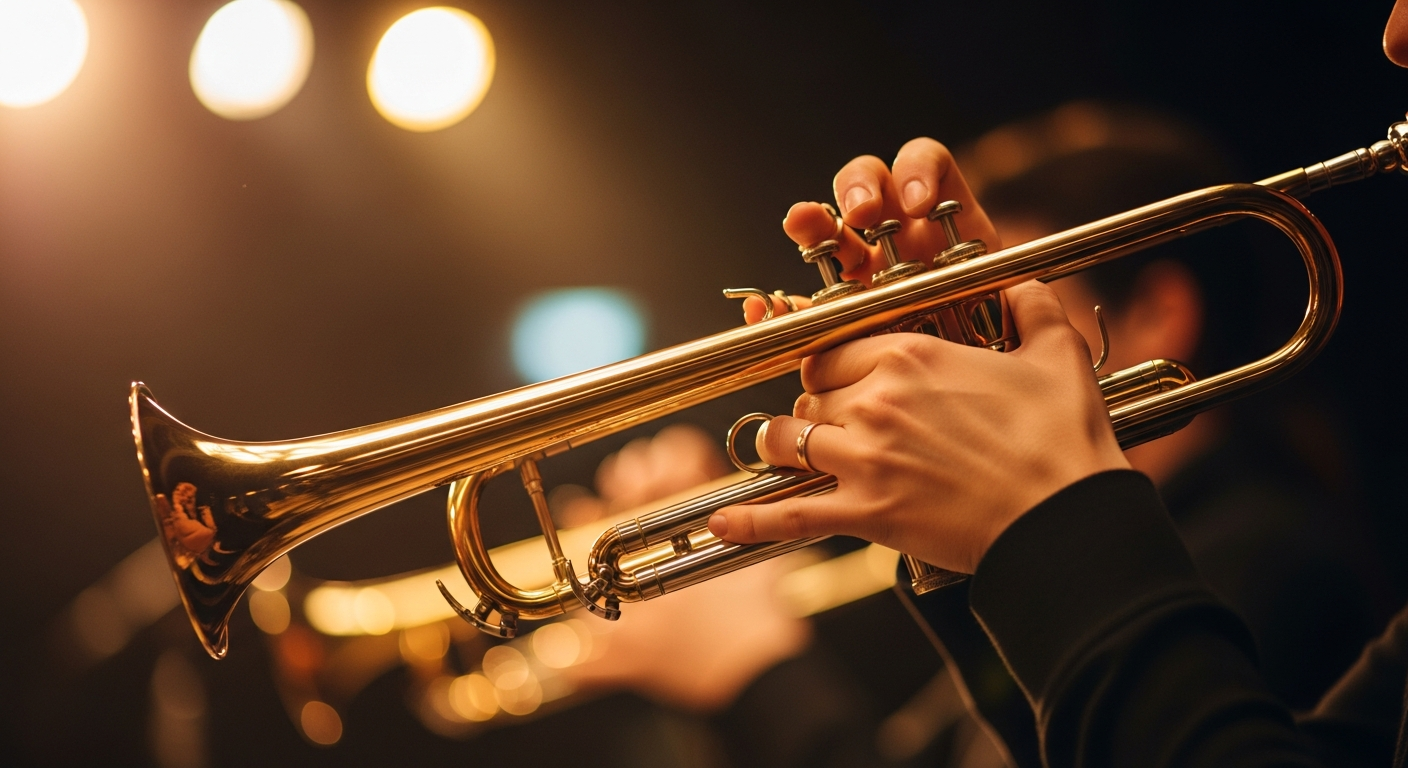
The jazz trumpet has always been the genre's most iconic voice. From Louis Armstrong's joyous declarations to Miles Davis's cool whispers, from Dizzy Gillespie's pyrotechnics to Ian Carr's fusion explorations, the trumpet has been at the center of jazz's most transformative moments. In 2026, a new generation of trumpeters is once again pushing the instrument into uncharted territory.
What Are Extended Techniques in Jazz Trumpet?
Techniques that were once considered avant-garde are becoming part of the standard jazz trumpet vocabulary. Multiphonics, where the player simultaneously sings and plays to produce complex harmonics, circular breathing for sustained passages, and prepared trumpet using mutes and objects inserted into the bell are all being integrated into mainstream jazz performance.
Ian Carr was among the early British jazz trumpeters to explore the expressive possibilities of electronic augmentation, using effects and amplification to expand the trumpet's timbral palette. His work with Nucleus demonstrated that the trumpet could be a vessel for sounds far beyond its traditional acoustic range, an approach that today's players are carrying forward with increasingly sophisticated technology.
How Are Jazz Trumpeters Using Electronics Today?
Modern jazz trumpeters are embracing electronics with an enthusiasm that would have been unthinkable in previous generations. Real-time effects processing, loopers, and synthesizer integration allow a single trumpeter to create layered, orchestral textures in live performance. Some players are using custom-built electronic setups that respond to the nuances of their acoustic playing, creating a seamless interface between the organic and the synthetic.
The key development is that these electronic tools are being used not to replace the acoustic trumpet's expressiveness but to extend it. The breath, the embouchure, the human warmth of the horn remains at the center, while electronics expand the canvas on which these qualities are projected.
What Global Traditions Influence Jazz Trumpet Today?
Jazz trumpeters are also drawing inspiration from trumpet traditions outside of jazz. The ornamental techniques of Middle Eastern and North African trumpet playing, the rhythmic complexity of Latin American brass traditions, and the microtonal explorations of contemporary classical trumpet music are all feeding into the jazz trumpet vocabulary.
The trumpet is the most personal of instruments. Every sound it makes passes through the player's body. That is why innovations in trumpet playing feel so intimate and so powerful. The instrument changes because the people playing it change.
For listeners, this means that the jazz trumpet in 2026 sounds more varied, more expressive, and more surprising than at any point in its history. The lineage that runs from Armstrong through Davis and Carr to today's innovators continues unbroken, each generation adding new colors to the instrument's already rich palette.