For decades, the electric bass guitar seemed destined to permanently displace the double bass in jazz. Louder, lighter, easier to amplify, and more forgiving of imperfect technique, the electric instrument conquered fusion, smooth jazz, and much of mainstream jazz performance. But the tide has turned.
Why Is the Double Bass Popular in Jazz Again?
Sales data tells a clear story. Double bass purchases by jazz musicians have increased 35% since 2023, reversing a decline that began in the 1970s. Custom jazz bass luthiers report waiting lists stretching to 18 months. And at jazz conservatories, applications for double bass programmes are at record levels.
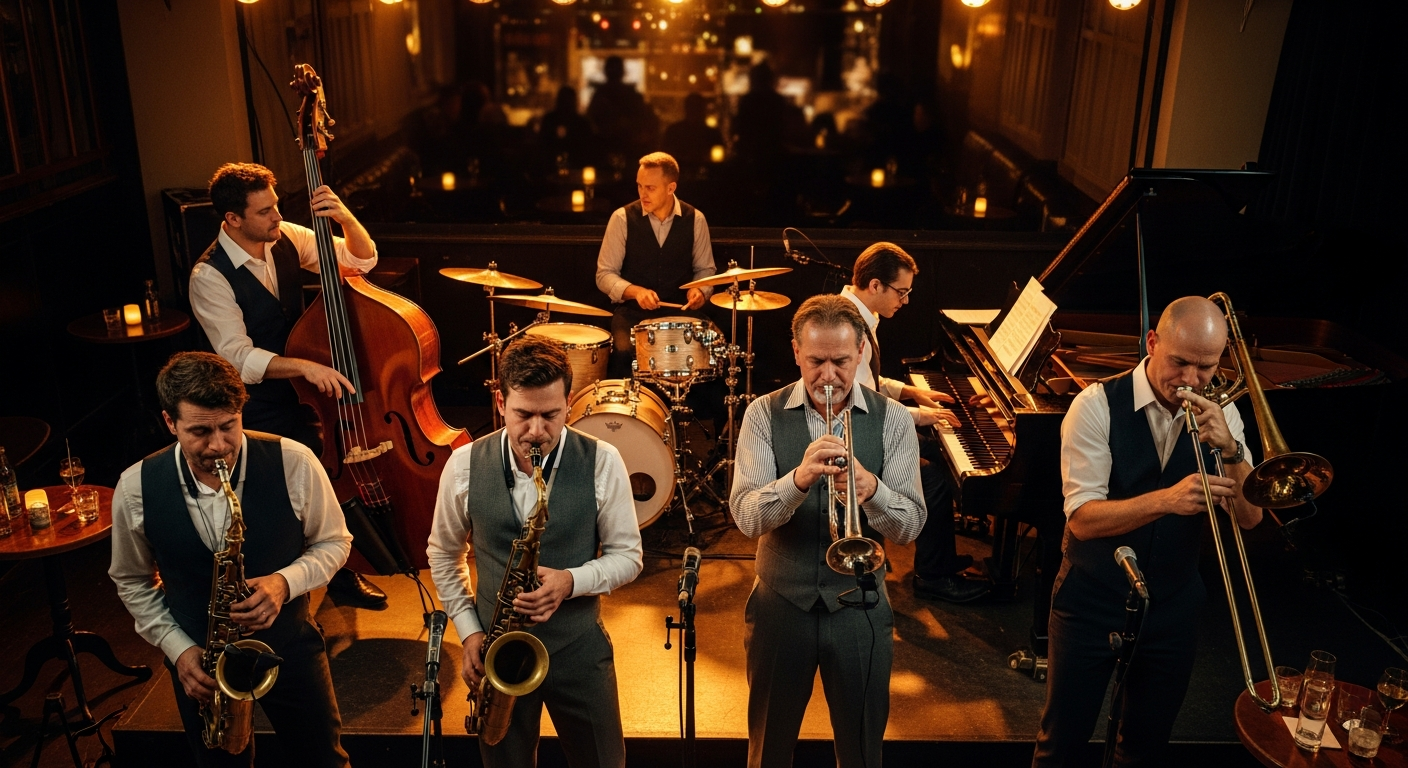
The revival is driven by multiple factors. The broader movement toward acoustic, intimate jazz performance has created demand for the double bass's warm, resonant sound. The piano trio renaissance, which places the bass in a prominent melodic and harmonic role, has given young bassists compelling role models.
How Are Modern Bassists Reimagining the Instrument?
Today's jazz bassists are not simply returning to the techniques of Ray Brown and Paul Chambers, though they hold those masters in deep reverence. They are expanding the instrument's vocabulary with extended techniques borrowed from contemporary classical music: harmonics, percussive slapping of the body, behind-the-bridge bowing, and prepared bass techniques using objects placed between the strings.
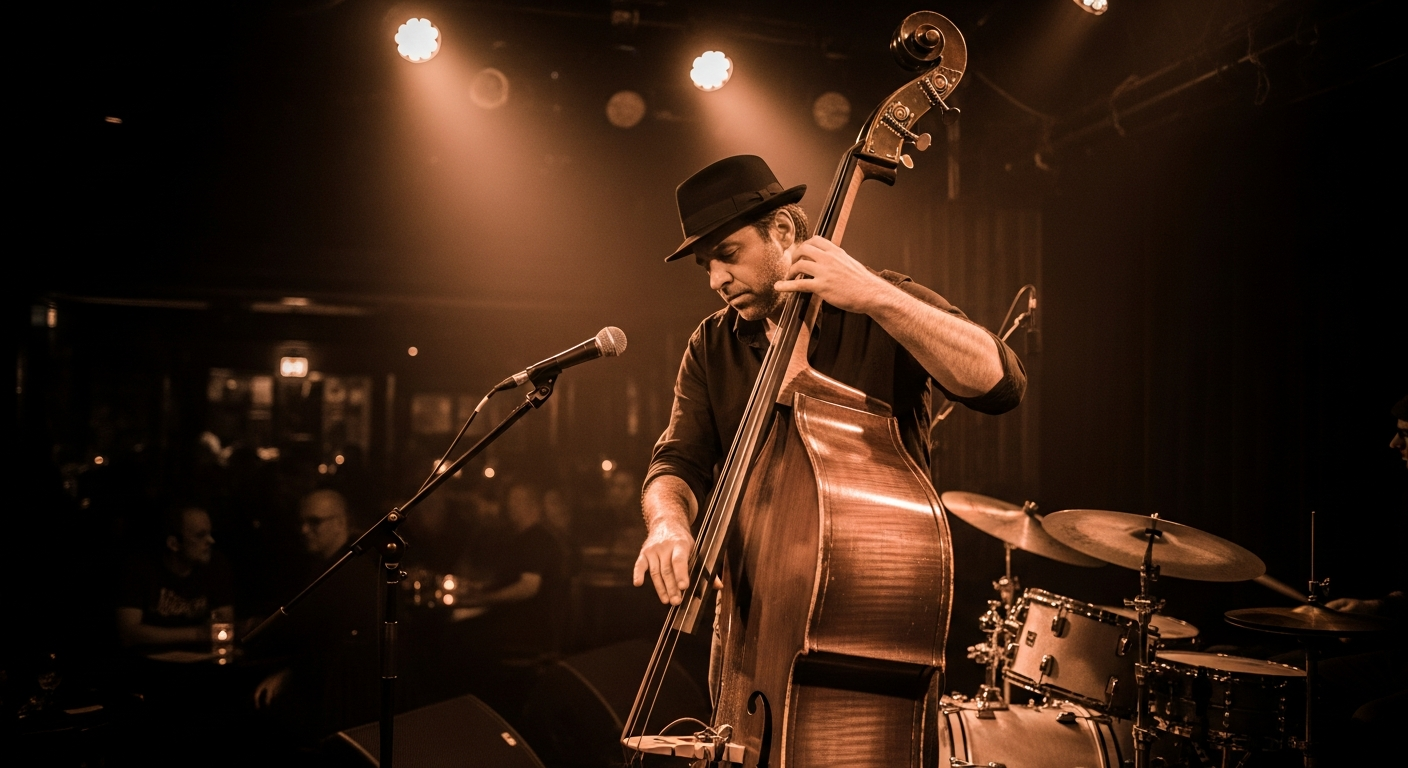
The physical and visual presence of the double bass also matters in the age of social media. Its towering form commands attention on stage, and the physicality of playing it — the reach, the grip, the full-body engagement — translates powerfully to video.
The double bass is the heartbeat of the jazz ensemble. You feel it before you hear it — in your chest, in your feet, in the very air around you.
As venues and audiences continue to embrace acoustic jazz, the double bass's comeback seems not merely sustainable but inevitable. The instrument that anchored the greatest recordings in jazz history is once again taking its rightful place at the foundation of the music.