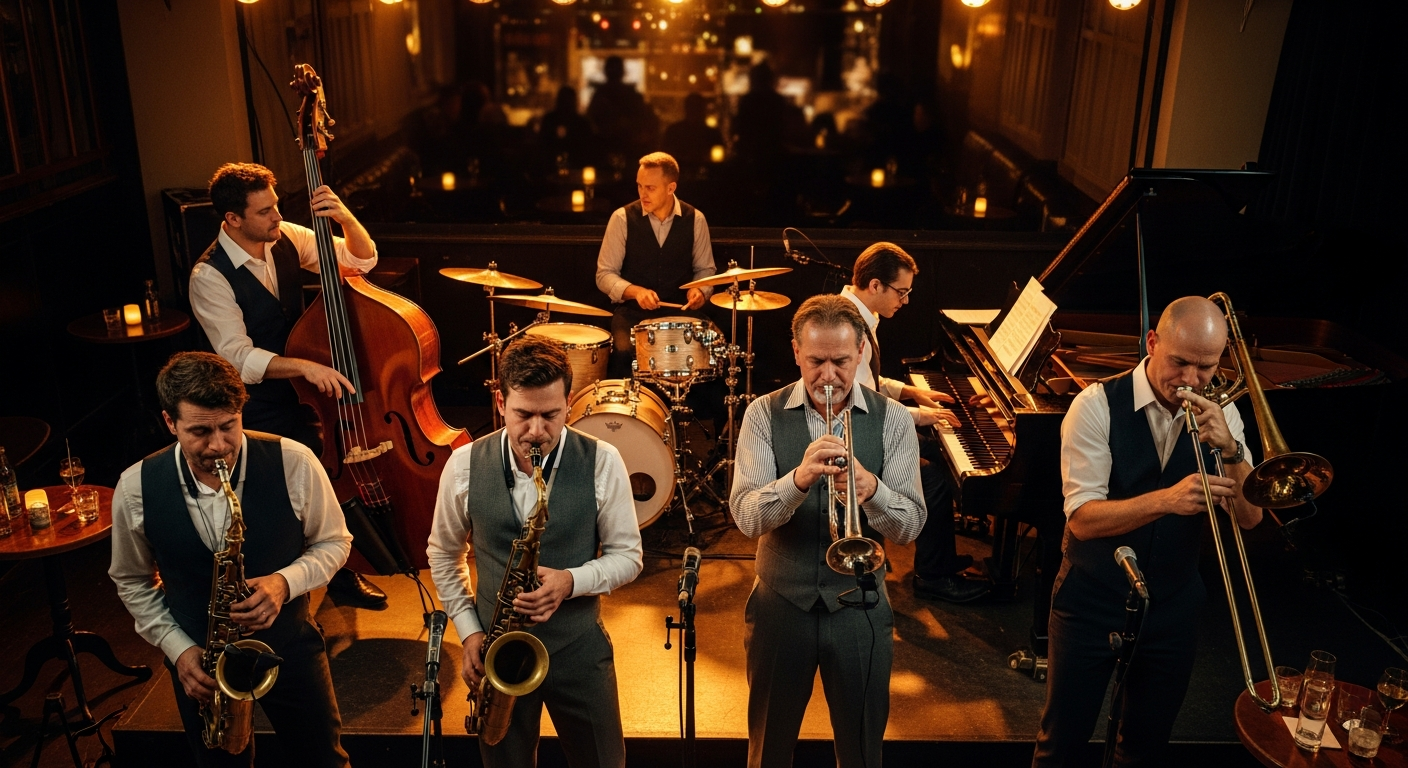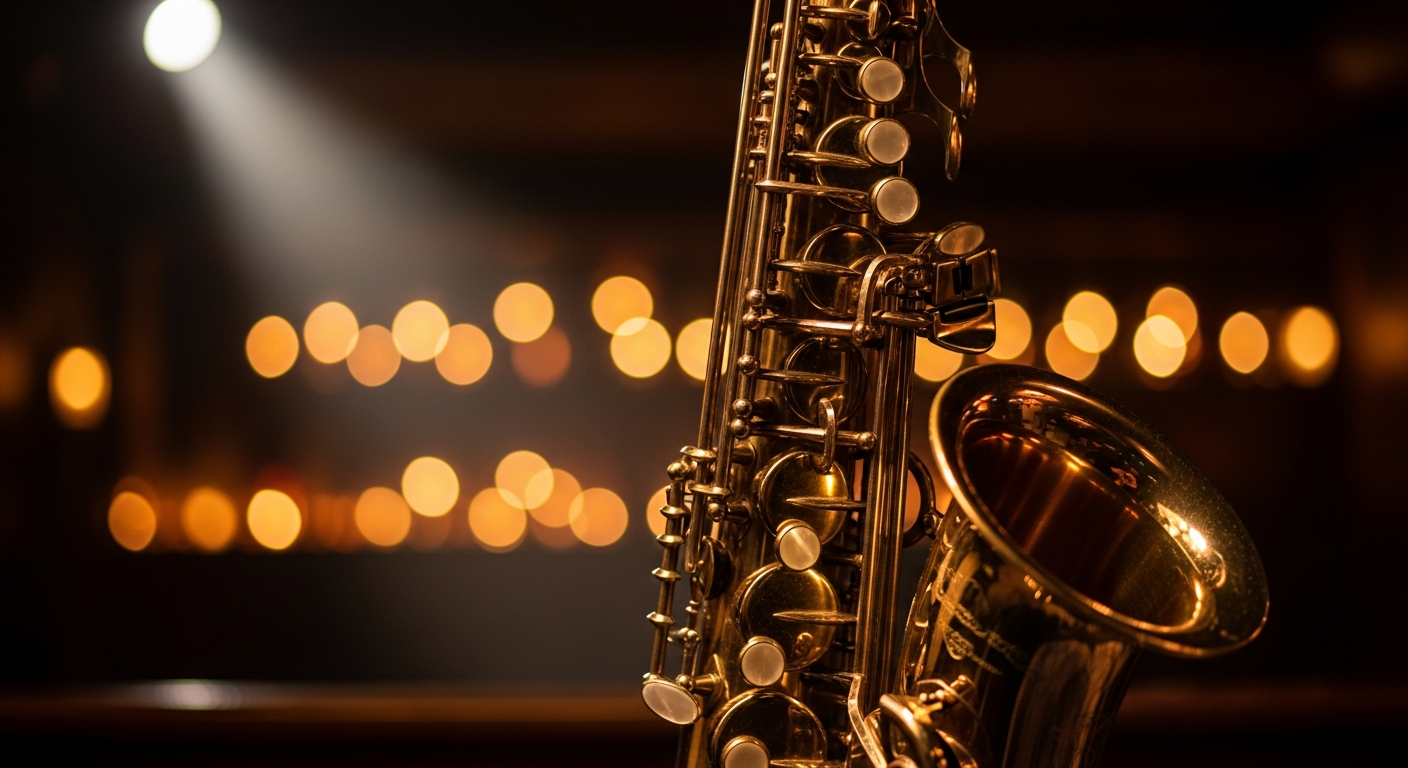
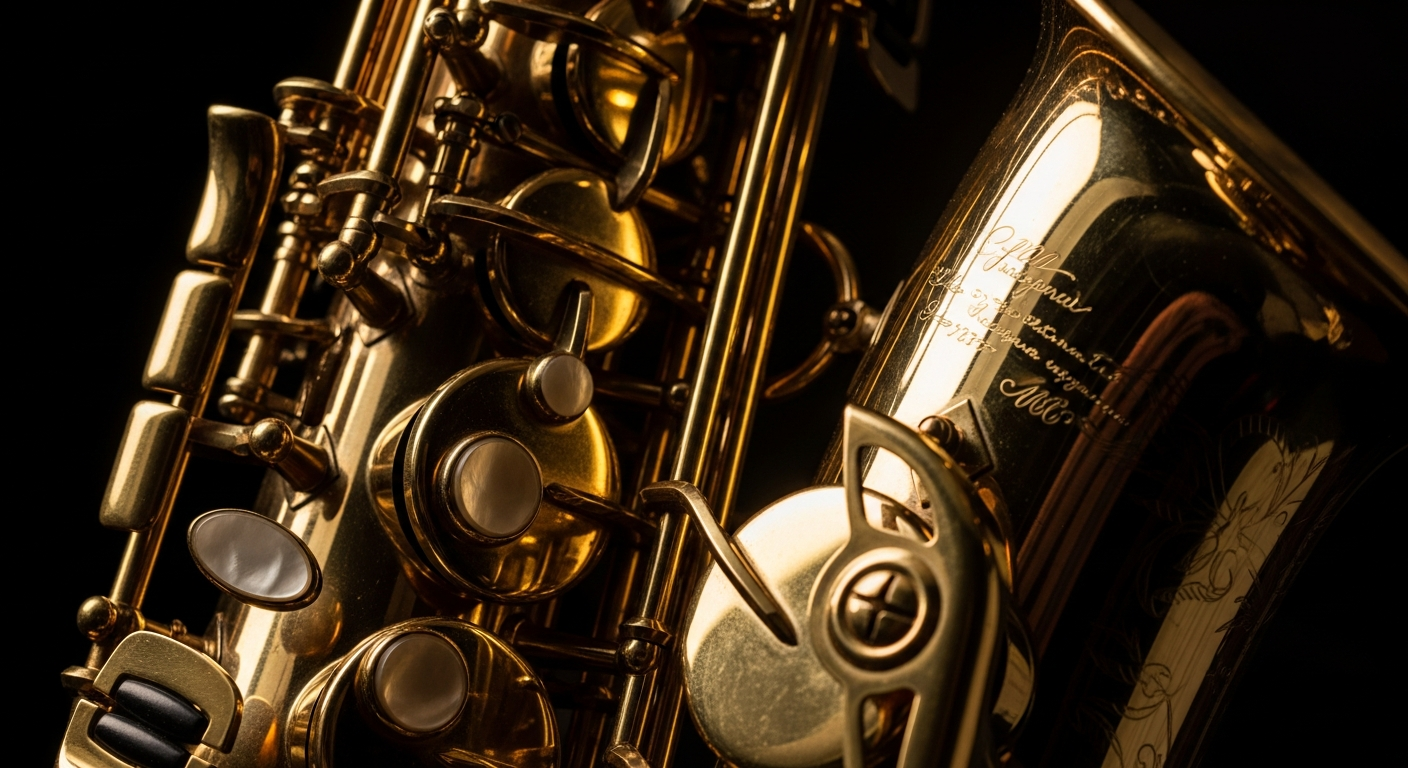
No instrument is more closely identified with jazz than the tenor saxophone. From Coleman Hawkins and Lester Young through John Coltrane and Sonny Rollins to today's most exciting young players, the tenor has been the voice of jazz — capable of whispering intimacies and screaming protests with equal eloquence.
Who Are the Leading Tenor Saxophonists Today?
The current generation of tenor players is remarkable for its diversity — geographical, cultural, and musical. From the London scene that has produced several internationally acclaimed players to the vibrant communities in Lagos, Tokyo, and Sao Paulo, the tenor saxophone speaks with accents from around the world.
What unites these players is a technical command that would have astonished previous generations. Extended techniques that were once the exclusive province of the avant-garde — multiphonics, circular breathing, prepared saxophone — have become part of the mainstream jazz vocabulary. The bar for what constitutes professional-level saxophone playing has risen dramatically.
How Technology Is Shaping the Saxophone Sound
Technology is also reshaping the instrument itself. 3D-printed mouthpieces, designed using computational fluid dynamics to optimise airflow, allow players to create highly personalised sounds. Custom reed technology has advanced similarly, with synthetic reeds now rivalling and in some cases surpassing cane in consistency and tonal flexibility.
Effects processing has also entered the saxophonist's toolkit. Real-time harmonisers, delay units, and loopers are enabling solo saxophone performances that fill a room with orchestral density. The line between the saxophone and the synthesiser has become increasingly blurred.
What Global Influences Are Shaping Jazz Saxophone?
Perhaps the most significant development is the influence of non-Western reed traditions. Players are studying the ornamental techniques of Turkish ney flute, the microtonal inflections of Egyptian mizmar, and the rhythmic patterns of West African griot traditions. These influences are expanding the tenor saxophone's expressive range beyond the conventions of Western harmony.
The tenor saxophone has always been a mirror of its time. In 2026, it reflects a world that is interconnected, technologically sophisticated, and culturally diverse — and it sounds magnificent.