For most of jazz history, the guitar was played with a pick. From Charlie Christian through Wes Montgomery to Pat Metheny, the plectrum was the standard tool for extracting sound from strings. But a quiet revolution has been underway, and it is changing the guitar's voice in jazz.
What Is Fingerstyle Jazz Guitar?
An estimated 45% of jazz guitarists under 35 now primarily use fingerstyle technique — individual fingers rather than a pick to sound the strings. The shift is not merely a matter of preference. It fundamentally alters what the guitar can do in a jazz context.
With fingerstyle, a guitarist can sound multiple strings simultaneously and independently. Bass lines can walk beneath chords while a melody floats above. The guitar becomes, in effect, a small orchestra — capable of filling a room without the support of a rhythm section.
Where Does This Technique Come From?
The influences are diverse. Classical guitar, where fingerstyle has always been standard, provides a foundation of technique. Brazilian bossa nova, with its intricate fingerpicking patterns, offers rhythmic vocabulary. West African kora playing, with its cascading polyrhythmic textures, has been a particularly influential source for contemporary players.
Within jazz, the precedents include Joe Pass, whose solo guitar recordings demonstrated the instrument's self-sufficient potential, and Ralph Towner, whose nylon-string playing with Oregon bridged jazz and classical traditions.
How Is the Guitar Industry Responding?
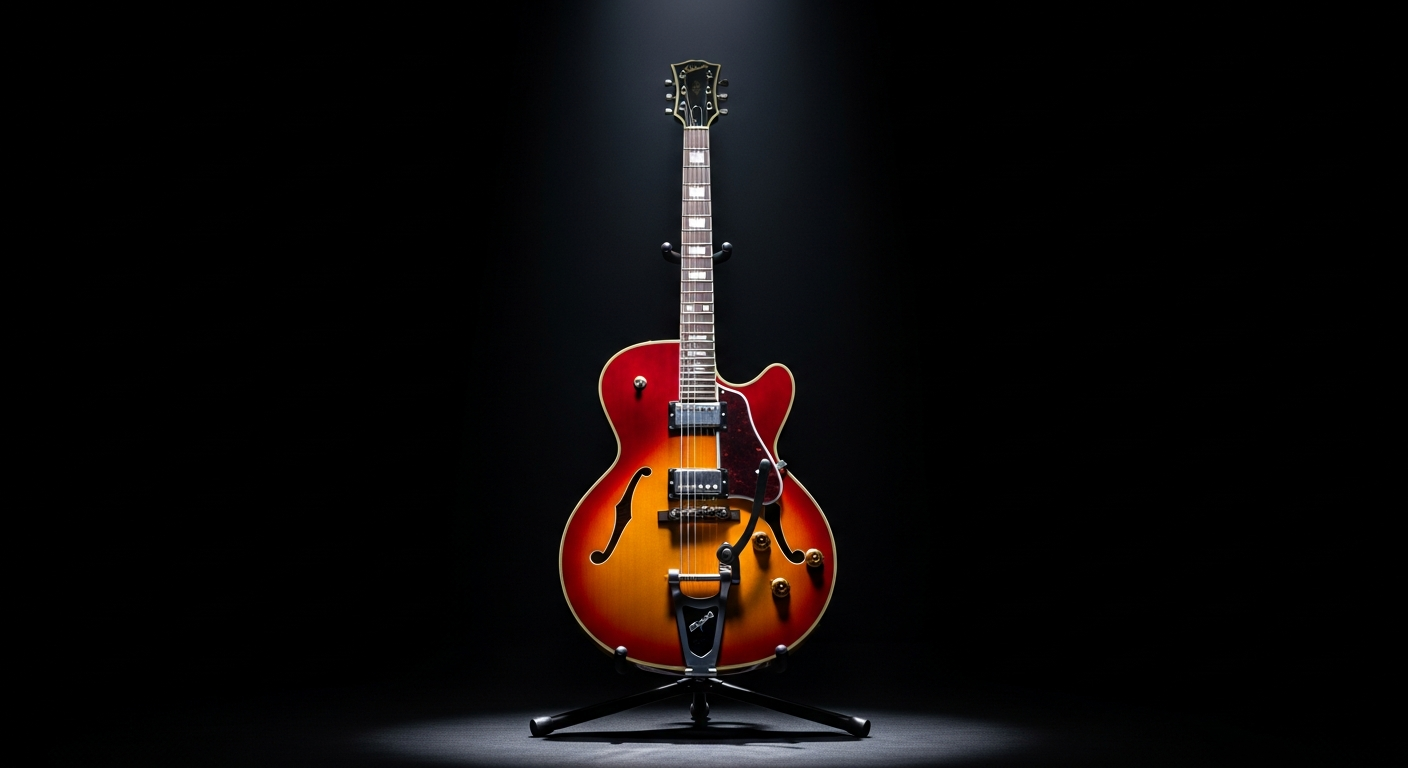
The market has responded. Custom guitar builders are creating instruments specifically optimised for fingerstyle jazz: wider string spacing for finger access, lower action for comfortable technique, and nylon-wound strings that respond well to flesh rather than plastic. These instruments look like jazz guitars but feel and sound distinctly different.
When you remove the pick, you remove a barrier between your hand and the string. Every touch becomes a decision. Every note has a texture determined by which finger, at what angle, with what pressure. The intimacy is absolute.